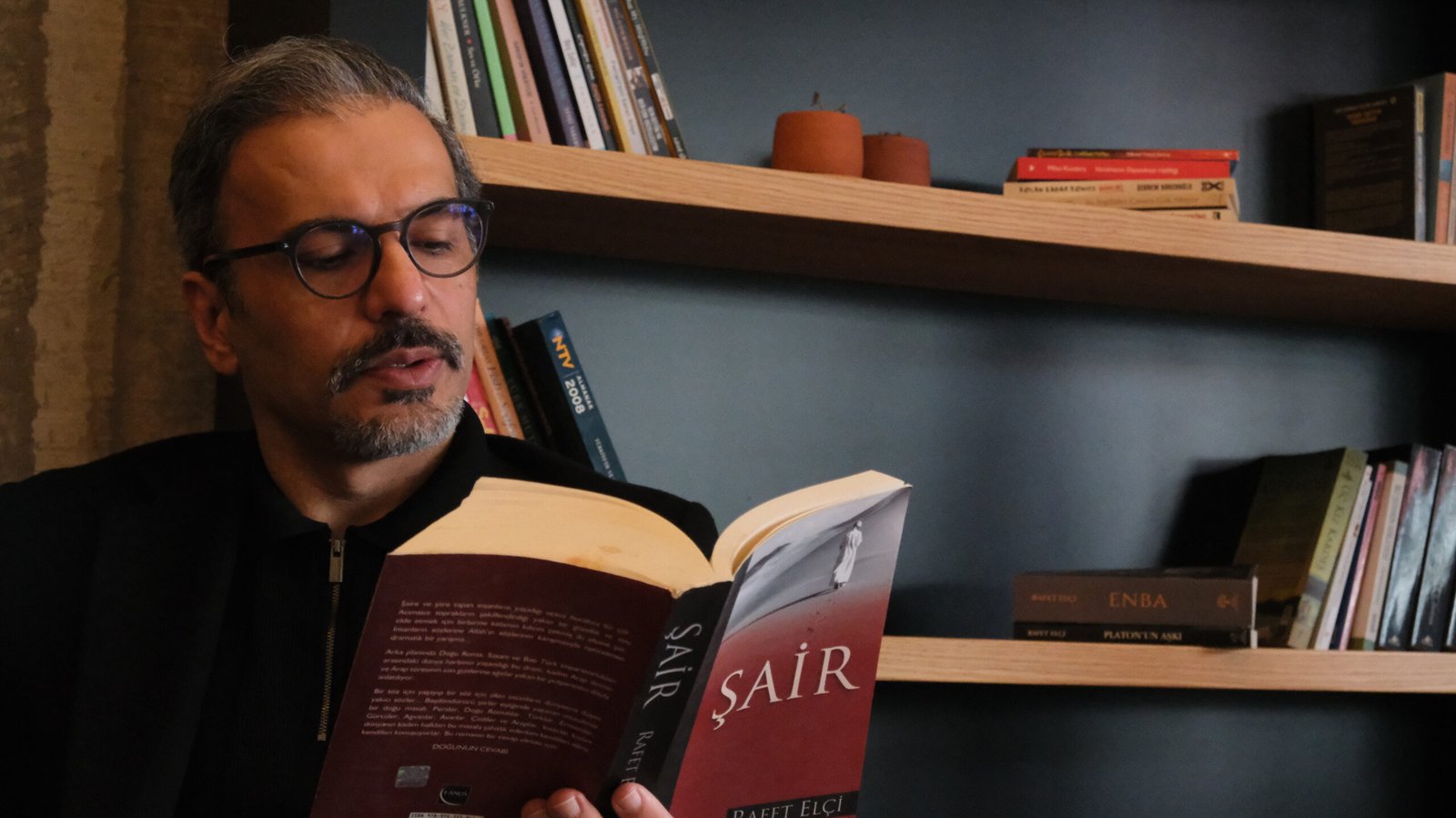
Words were his only homeland, and poetry was the exile he choseWords were his only homeland”
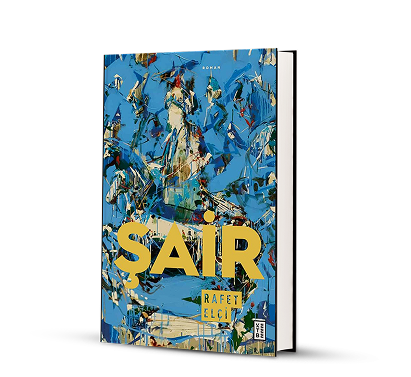
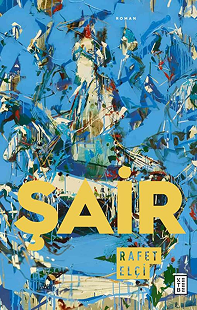
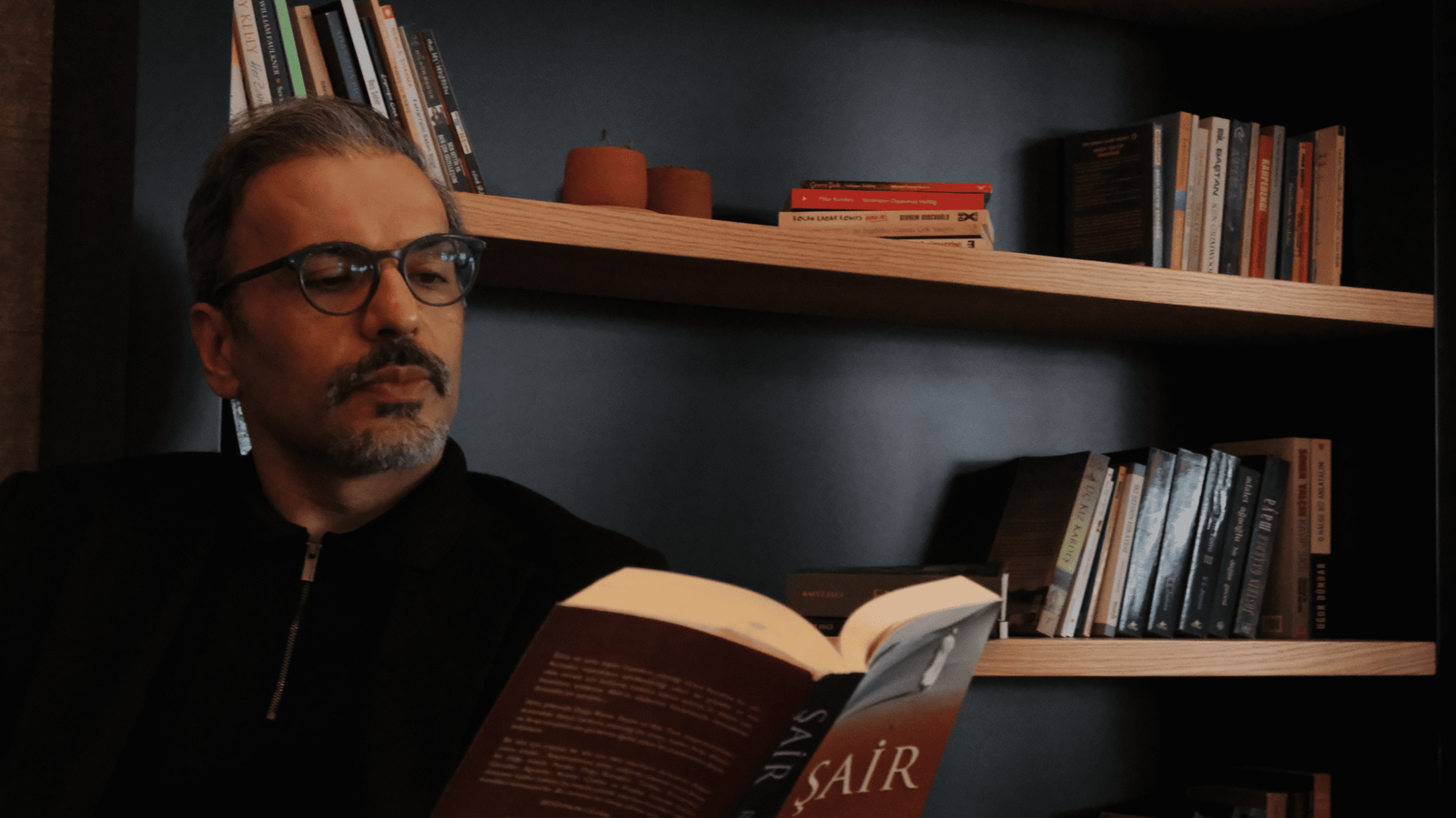
The Poet is a reflective novel that explores memory, silence, and the power of language. Through the inner journey of a poet, the story examines writing as both refuge and resistance, where words become a way to preserve identity and confront loss.
Words were his only homeland, and poetry was the exile he choseWords were his only homeland”
The Poet is a reflective novel that explores memory, silence, and the power of language. Through the inner journey of a poet, the story examines writing as both refuge and resistance, where words become a way to preserve identity and confront loss.
Words were his only homeland, and poetry was the exile he choseWords were his only homeland”
The Poet is a reflective novel that explores memory, silence, and the power of language. Through the inner journey of a poet, the story examines writing as both refuge and resistance, where words become a way to preserve identity and confront loss.
Words were his only homeland, and poetry was the exile he choseWords were his only homeland”
The Poet is a reflective novel that explores memory, silence, and the power of language. Through the inner journey of a poet, the story examines writing as both refuge and resistance, where words become a way to preserve identity and confront loss.
Words were his only homeland, and poetry was the exile he choseWords were his only homeland”
The Poet is a reflective novel that explores memory, silence, and the power of language. Through the inner journey of a poet, the story examines writing as both refuge and resistance, where words become a way to preserve identity and confront loss.
Words were his only homeland, and poetry was the exile he choseWords were his only homeland”
The Poet is a reflective novel that explores memory, silence, and the power of language. Through the inner journey of a poet, the story examines writing as both refuge and resistance, where words become a way to preserve identity and confront loss.
The novel, set in 7th-century Arabia, depicts a world where poetry became a form of belief and words a weapon. Set amidst the Eastern Roman, Sasanian, and Western Turkic empires, the novel explores the social structure and cultural-religious transformations of the era through a conflict centered on poetry.
The rivalry between two poets, Zeyd and Tuleyle, is not only a literary event but also a turning point that shapes their lives. After being captured and taken to Sasanian lands, Zeyd's world of poetry and belief changes, while Tuleyle struggles to exist through poetry in a changing society.
Rafet Elçi explores the sacredness of poetry and the power of words, narrating the disintegration of a civilization and the shaking of the world of meaning constructed by humankind through individual stories.
“An immersive, sensual experience.”
The New York Times
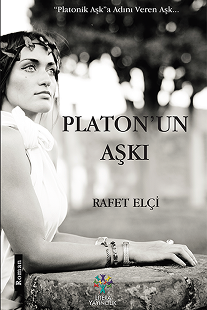
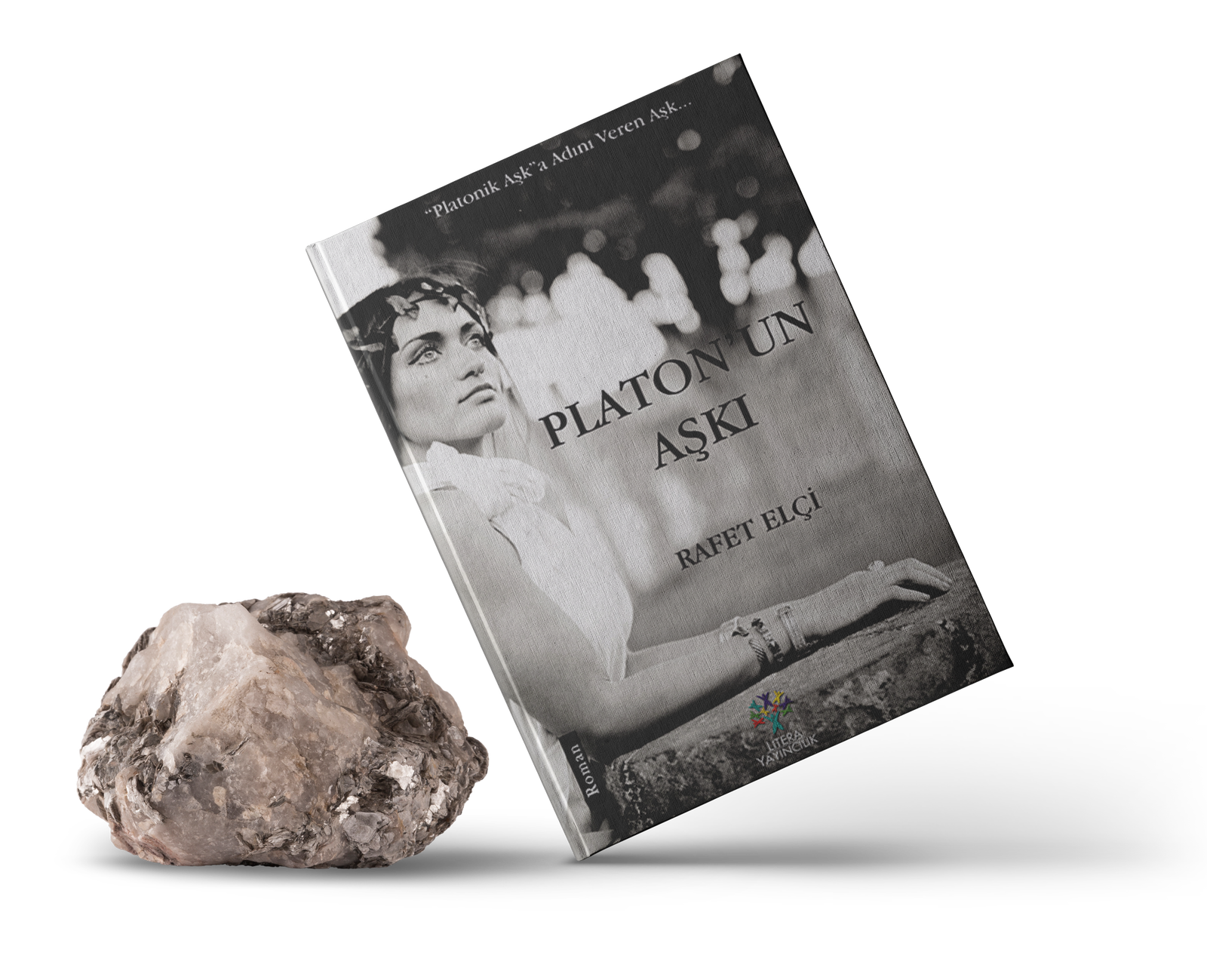
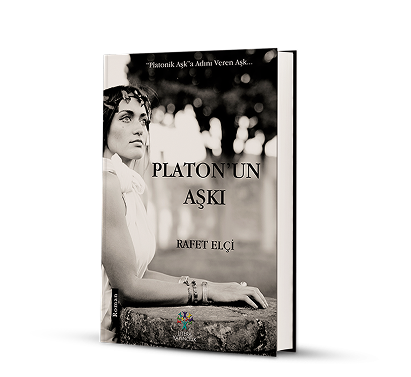
platon’un aşki
In this novel, Rafet Elçi bridges ancient wisdom and modern emotion, exploring the delicate tension between physical reality and the search for ideal, spiritual love. Through poetic and philosophical prose, the narrative invites readers to transcend the mundane and seek the essence of truth within human connection. It is a profound meditation on the soul’s journey, crafted by a mind deeply rooted in both literature and philosophy.
"True love is not a meeting of two bodies, but the recognition of two souls that have finally found their way back to the cave of light."
— Inspired by Platon'un Aşkı
see the latest news
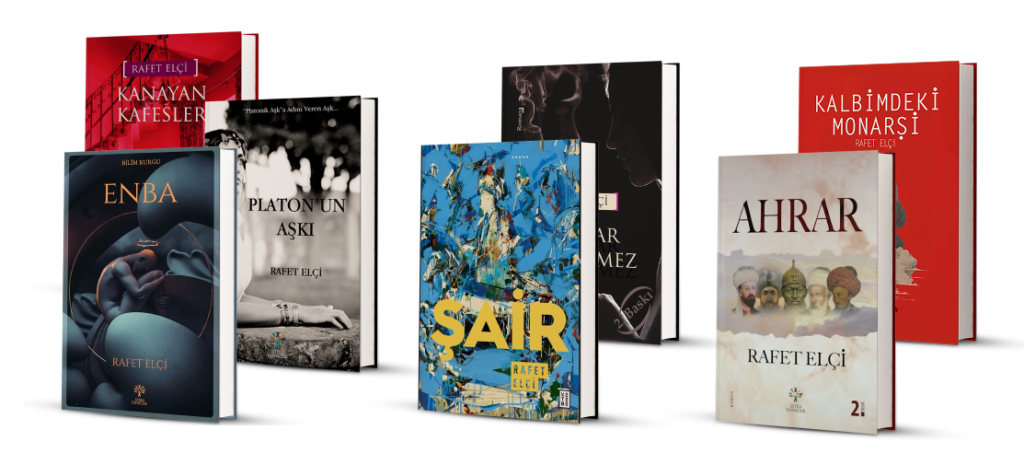
from his literary world
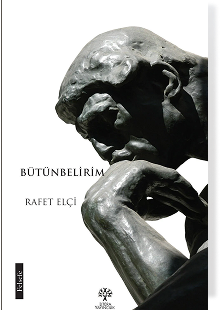
Bütünbelirim
Var Olan
Türk Harp Kudretinin Sınırları
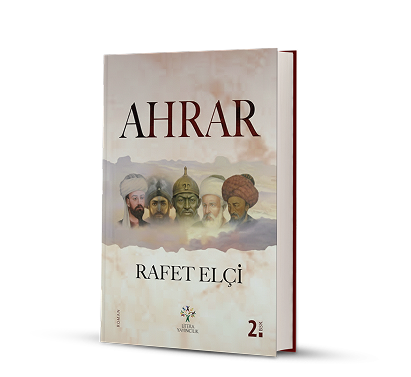
Ahrar
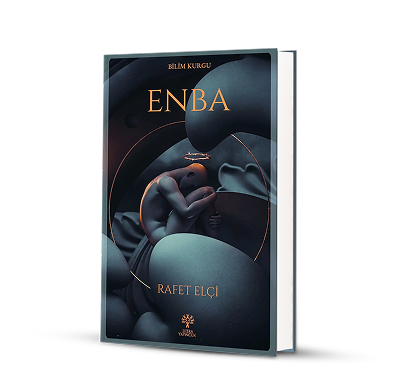
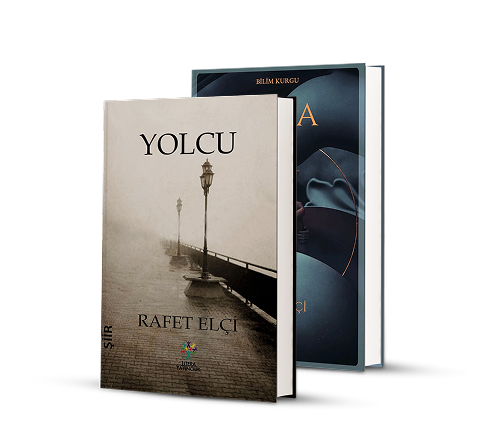
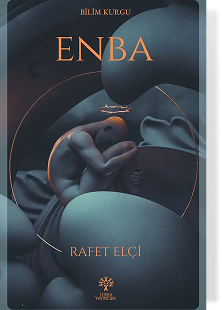
Enba
Şair
Platon’un Aşkı
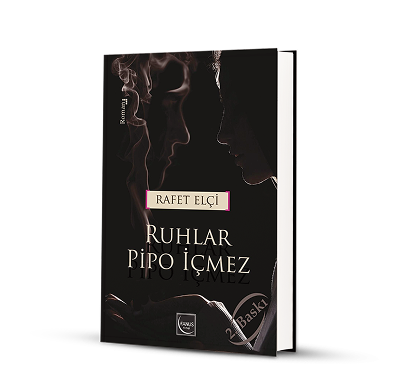
Ruhlar Pipo İçmez
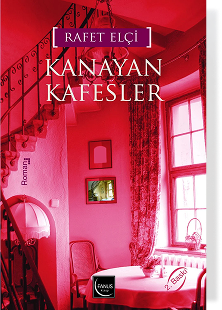
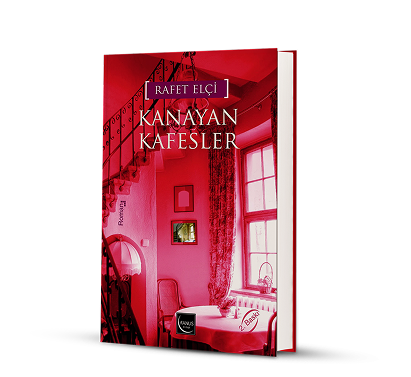
Kanayan Kafesler
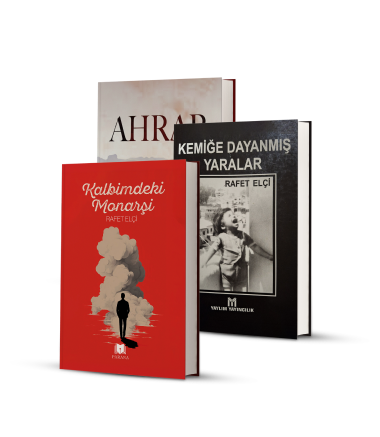
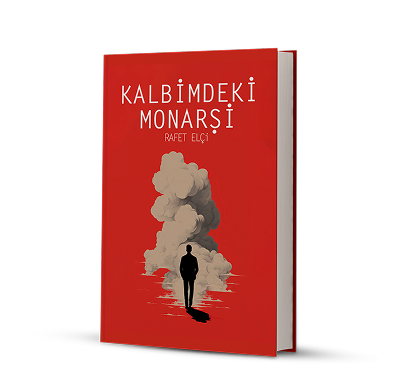
Kalbimdeki Monarşi
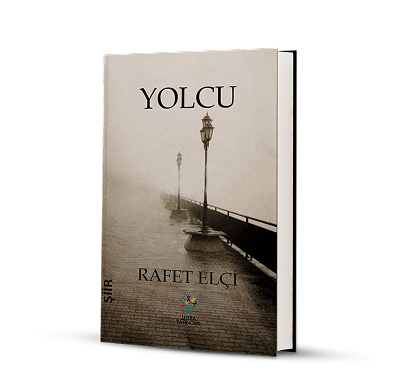
Yolcu
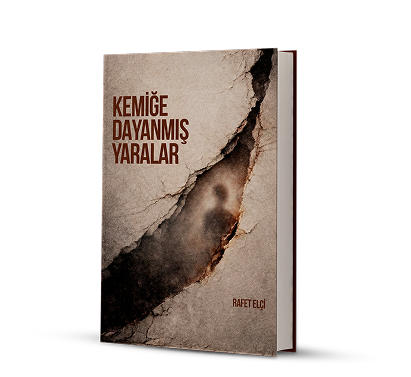
Kemiğe Dayanmış Yaralar
Find me on Instagram
Are you ready to open up to other worlds through my words? Let's meet on Instagram for the rest of my stories.
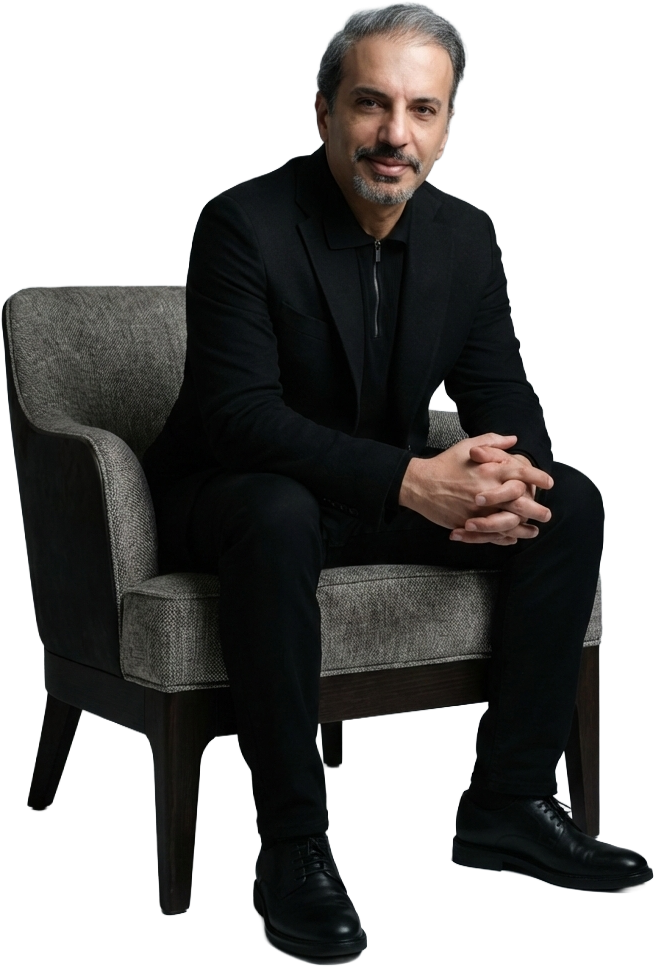
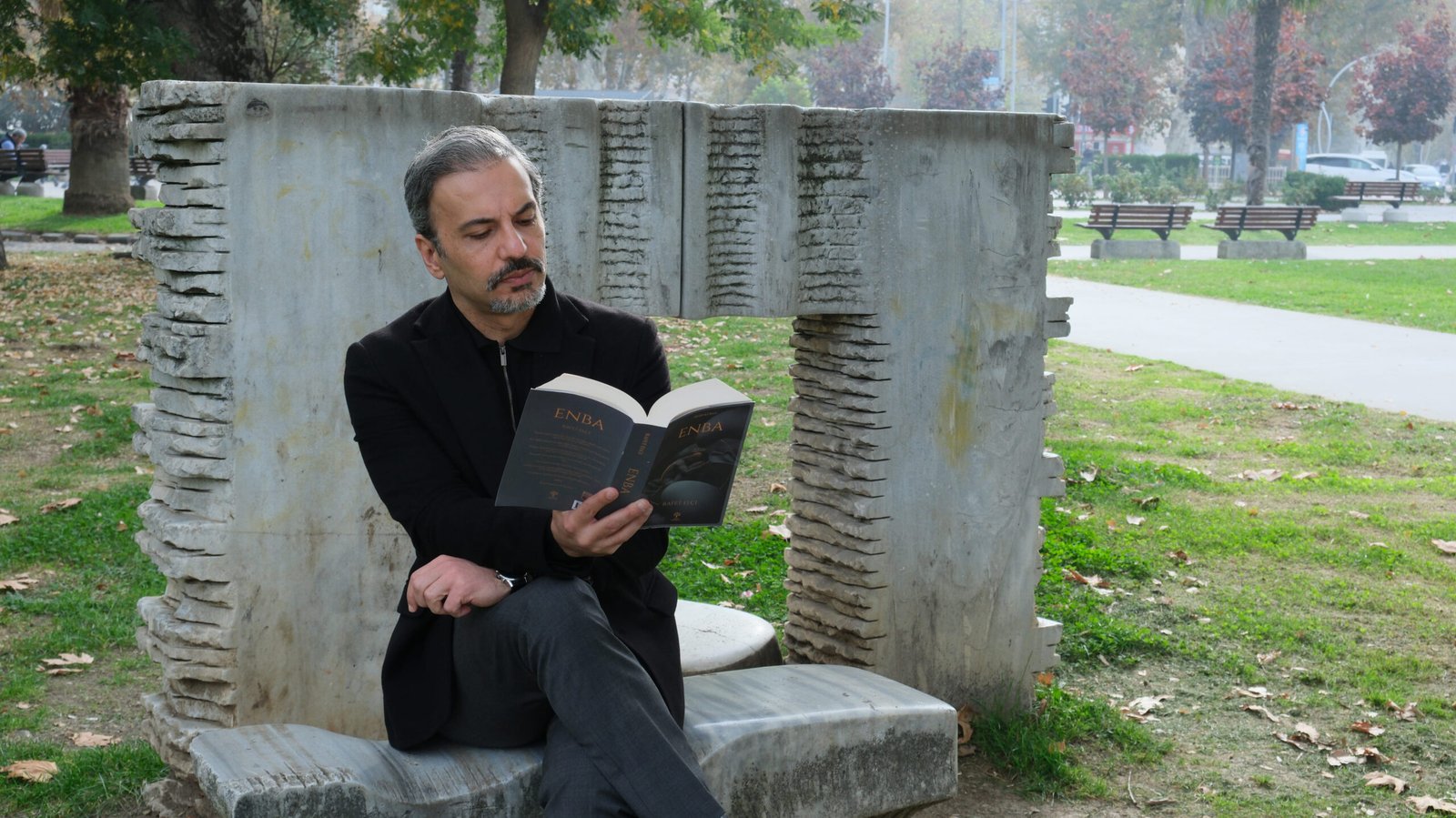
Born in Bayburt in 1980, Rafet Elçi completed his early education in Istanbul before graduating from Istanbul University with a degree in Arabic Language and Literature. His career is marked by a deep intellectual versatility, spanning roles as a writer, editor, and lecturer in philosophy and art history. Over the years, he has contributed significantly to Turkish literature by authoring seven novels, two poetry collections, and several philosophical and historical works. Beyond his writing, he is an accomplished musician who plays the piano and oud. Currently, he continues to share his expertise through seminars and conferences on world thought and literature.
Rafet Elçi’s published literary path began in 2003 with his first poetry collection, Kemiğe Dayanmış Yaralar. This early work laid the foundation for a prolific career, showcasing the raw emotional depth and philosophical inquiry that would later define his celebrated novels and historical studies.
In-Depth Discussion: The Philosophy of the Novel "Şair"
by rafet elci
In-Depth Discussion: The Philosophy of the Novel "Şair"
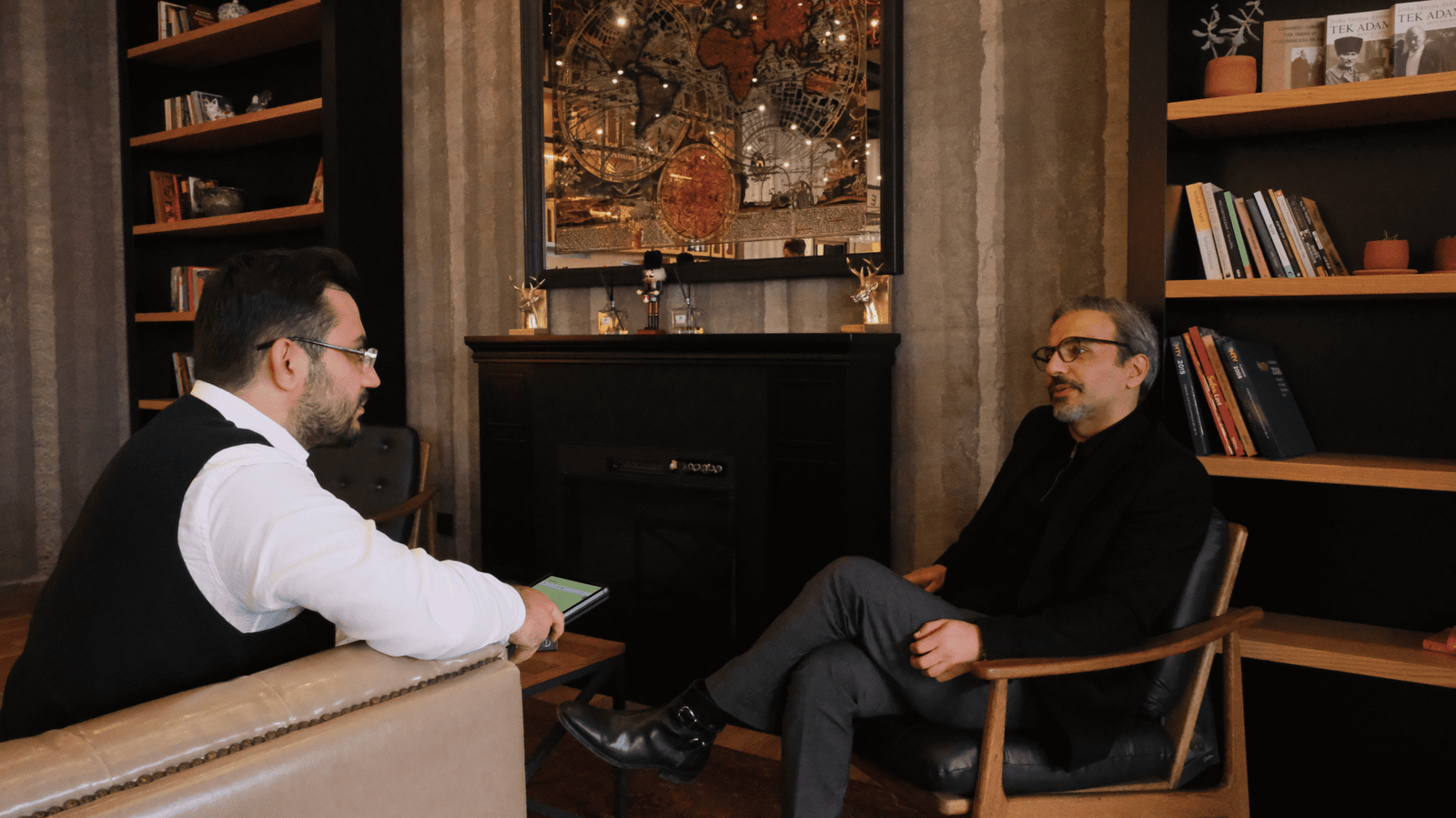
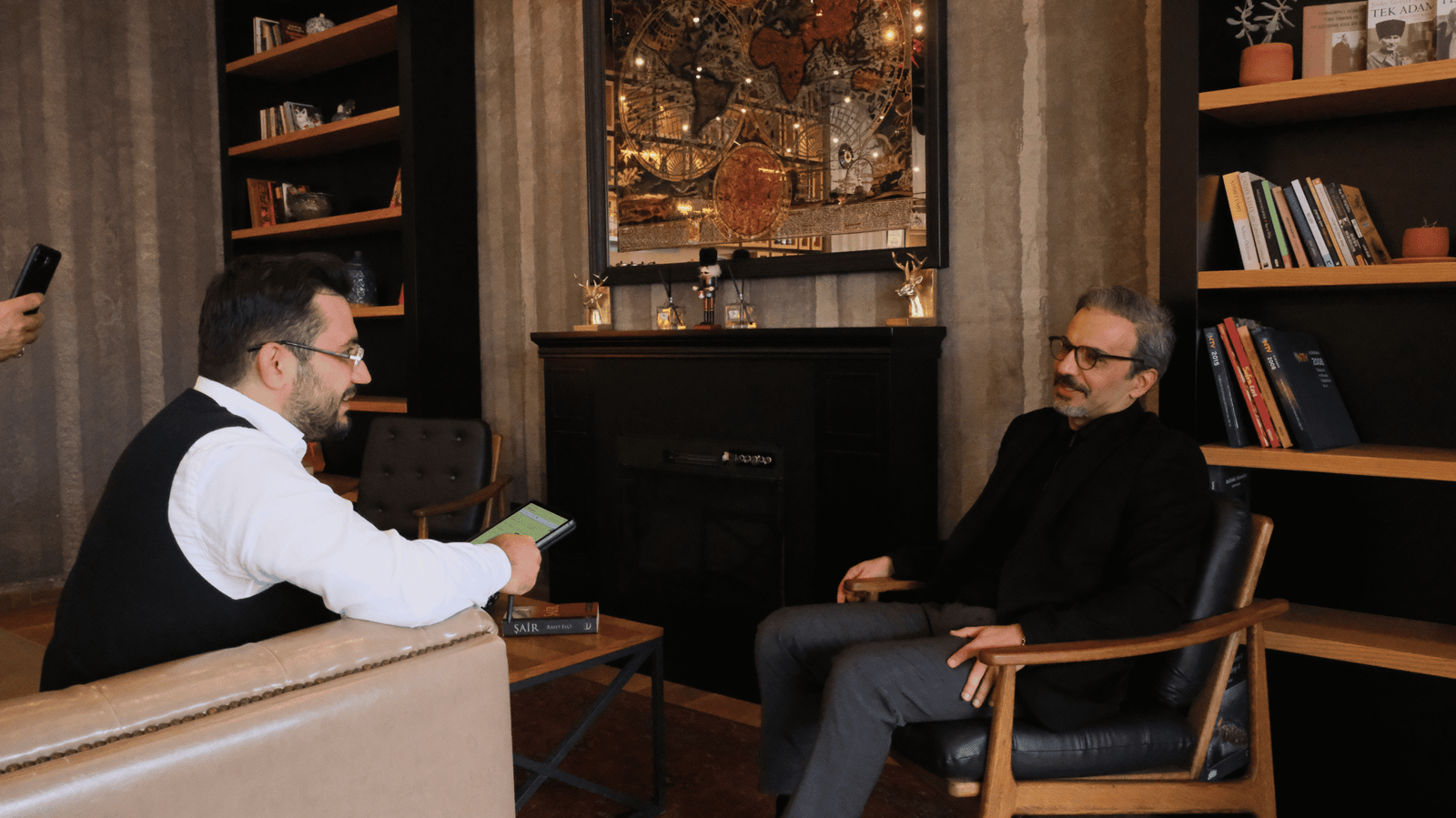
In this televised interview on the Gümüş Hilal program, Rafet Elçi explores the mystical and historical layers of his acclaimed novel “Şair” (The Poet).
Literary Spotlight: Unpacking the Secrets of "Ahrar" and "Şair"
by rafet elci
Literary Spotlight: Unpacking the Secrets of "Ahrar" and "Şair"
In this extensive interview on Ülke TV, Rafet Elçi delves into the mystical soul of his novel “Ahrar” (The Free Souls). He explores the 15th-century conflict between Timur and Bayezid through a Sufi lens and discusses “Şair” as an “Eastern response” to Western literature, focusing on the power of the “Word” and the search for the perfect human.
Literary Spotlight: Unpacking the Secrets of "Ahrar" and "Şair"
by rafet elci
Literary Spotlight: Unpacking the Secrets of "Ahrar" and "Şair"
In this extensive interview on Ülke TV, Rafet Elçi delves into the mystical soul of his novel “Ahrar” (The Free Souls). He explores the 15th-century conflict between Timur and Bayezid through a Sufi lens and discusses “Şair” as an “Eastern response” to Western literature, focusing on the power of the “Word” and the search for the perfect human.
by Rafet Elçi.
"In the sanctuary of the desert, where words are the only homeland, a poet does not merely write verses; he carves the soul's truth into the silence of time."
— From the world of 'Şair'
Literary Translations
Rafet Elçi is deeply active in the field of literary translation, dedicated to bringing selected masterpieces of world literature into Turkish with profound sensitivity to language and cultural context. His work focuses on preserving the original spirit and rhythmic tone of the text, ensuring it resonates naturally with a new generation of readers. Through these efforts, he has helped translate and introduce numerous significant works to the Turkish literary landscape.
For Elçi, translation is more than a task; it is a vital dialogue between diverse voices, languages, and enduring literary traditions