Rafetelci
Menu
Home
About
Books
Curtains And Stage
Media
Contact
EN
TR
EN
TR
Menu
Home
About
Books
Curtains And Stage
Media
Contact
books
Works of Rafet Elçi
Novel
Poetry
Philosophy
history
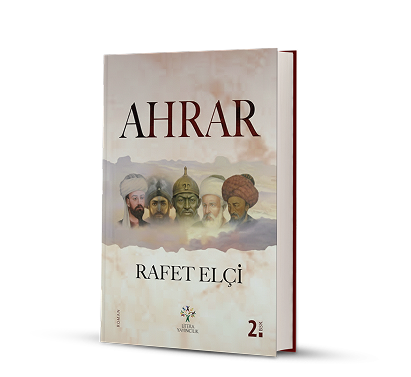
Ahrar
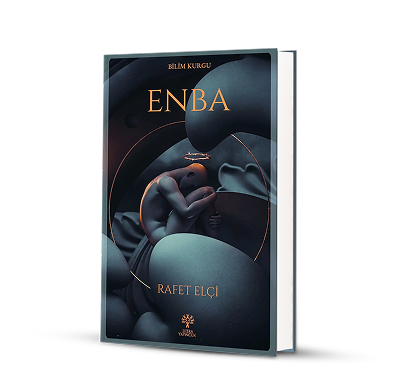
Enba
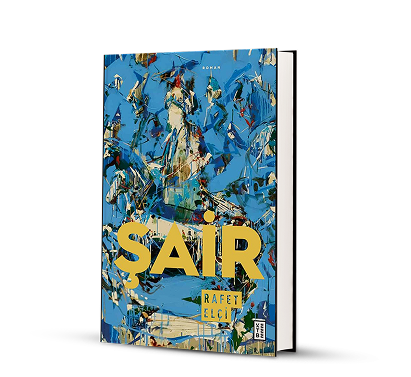
Şair
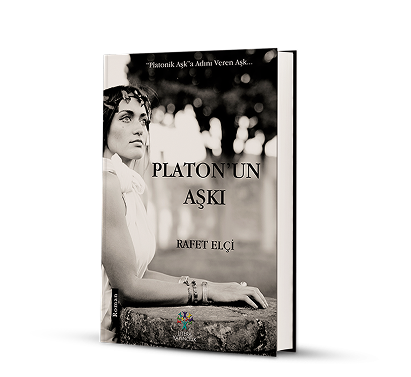
Platon’un Aşkı
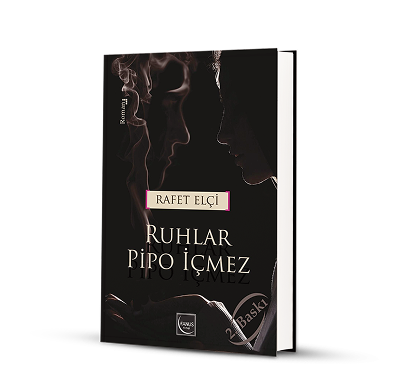
Ruhlar Pipo İçmez
Kanayan Kafesler
Kalbimdeki Monarşi
Yolcu
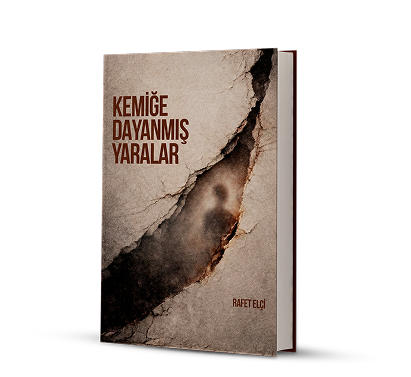
Kemiğe Dayanmış Yaralar
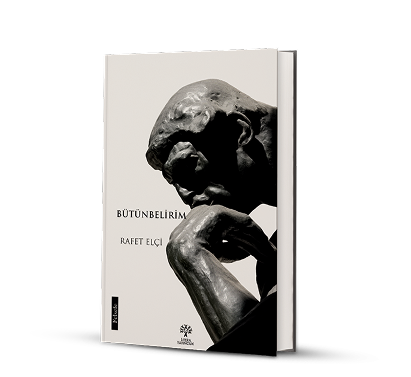
Bütünbelirim
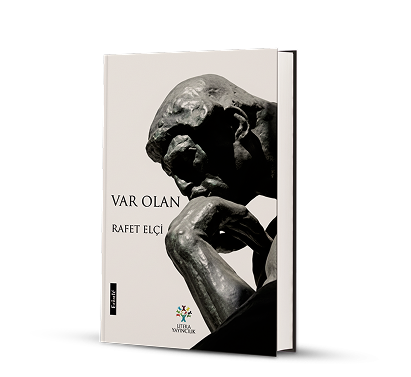
Var Olan
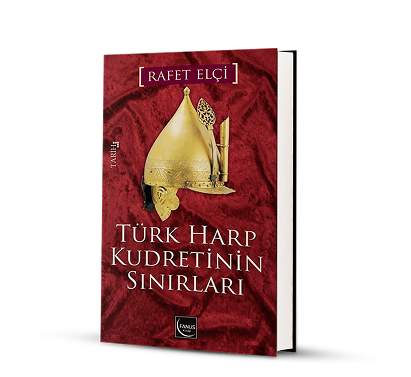
Türk Harp Kudretinin Sınırları
All
Poetry
Novel
Philosophy
history
Historical Artifact
Historical Review
Philosophical Work
Philosophical Novel
Bütünbelirim
Philosophy
Release Date: 2013
In this ambitious philosophical work, Rafet Elçi introduces a comprehensive framework for understanding the interconnectedness of all things through the lens of "Holistic Determination." The book posits that nothing in the universe occurs in isolation; rather, every event, thought, and physical manifestation is part of a vast, unified web of causality. It is a deep dive into the metaphysical laws that govern both the macro-cosmos of the stars and the micro-cosmos of the human soul. The narrative challenges the traditional boundaries between science, philosophy, and spirituality, suggesting that true knowledge can only be found by looking at the "whole" (Bütün) rather than the fragmented parts. Elçi’s prose is intellectually rigorous, guiding the reader through complex concepts of destiny, free will, and the divine order that sustains existence. It serves as a call to recognize the rhythm of the universe and to align one's life with the harmonious laws that dictate the flow of creation. Beyond theoretical inquiry, Bütünbelirim functions as a guide for achieving mental and spiritual clarity in an increasingly fragmented world. Elçi argues that by understanding the "Determined Whole," an individual can find peace amidst chaos and purpose amidst uncertainty. The book reflects the author’s ultimate philosophical synthesis—a worldview where logic meets mysticism, and where the seeker finally understands that they are not a separate entity, but a vital part of an eternal, living unity.
devamını oku
Var Olan
Philosophy
Release Date: 2013
This profound philosophical study serves as a cornerstone of Rafet Elçi’s metaphysical inquiries, focusing on the absolute nature of existence. It moves away from the abstract and the theoretical to confront the reality of "The One Who Exists" as the source of all manifestation. The book explores the relationship between the Creator and the created, suggesting that every element in the universe is a sign pointing toward a singular, eternal truth. Elçi’s prose in Var Olan is both meditative and intellectually rigorous, guiding the reader through the layers of consciousness and the material world. He argues that human existence is not an accidental occurrence but a purposeful journey designed to recognize the Divine presence in every breath and every atom. It is a work that invites the reader to strip away the illusions of the "self" and the temporary world to find the unchanging reality that lies beneath. The book functions as a spiritual manual for the modern era, addressing the void left by secular materialism with the richness of traditional wisdom and logical deduction. Elçi uses a clear, authoritative voice to bridge the gap between faith and reason, making complex ontological concepts accessible to the seeker. By the end of the work, the reader is left with a sense of profound peace and a clearer understanding of their place within the vast, ordered structure of the "Existing One."
devamını oku
Türk Harp Kudretinin Sınırları
history
Release Date: 2013
This analytical and historical study serves as a profound examination of the strategic, logistical, and psychological boundaries of military power throughout the Turkish experience. Rafet Elçi moves beyond simple chronological battle descriptions to investigate the "will to power" and the inherent constraints that shape the rise and fall of empires. It is a work that seeks to define the unique character of Turkish statecraft and its military manifestations across centuries. The narrative functions as a bridge between historical reality and strategic theory, analyzing how geography, culture, and spirit intersect to form a nation's "war power." Elçi explores the concept that true strength is not merely found in the size of an army, but in the alignment of that army with the spiritual and social values of its people. Each chapter dissects key moments in history where these limits were tested, providing a roadmap for understanding the resilience and the vulnerabilities of the state. Through meticulous research and a philosophical lens, the book addresses the transition from traditional warfare to the complexities of modern conflict. Elçi argues that the ultimate "limit" of any war power is found in the moral conviction of its soldiers and the wisdom of its leaders. It is a critical resource for those seeking to understand the deep-rooted military tradition of the Turks and the enduring principles that have allowed their influence to persist through the changing tides of global history.
devamını oku
Ahrar
Novel
Release Date: 2013
This acclaimed novel serves as the literary foundation for Rafet Elçi’s celebrated stage play, Timur ve Yıldırım. It explores the epic clash between two historical giants—Tamerlane (Timur) and Bayezid I (Yıldırım)—not merely as a military conflict, but as a profound meeting of two different worldviews. The narrative dives into the "freedom" of the soul versus the "chains" of earthly power, painting a vivid picture of an era that changed the course of world history. Elçi’s prose in Ahrar is both majestic and intimate, capturing the inner monologues of leaders who carried the weight of empires on their shoulders. The book investigates the concept of "free souls" (Ahrar), suggesting that true sovereignty belongs only to those who have conquered their own egos and desires. It is a masterful blend of historical accuracy and philosophical depth, making the reader a witness to the strategic brilliance and the spiritual vulnerabilities of its protagonists. Beyond the battlefield of Ankara, the novel delves into the mystical and intellectual currents of the 14th century, weaving in the influence of scholars and saints who navigated the chaos of the time. It challenges the reader to consider what it truly means to be "free" in a world governed by destiny and political necessity. Ahrar stands as a testament to Elçi’s ability to breathe life into history, turning a well-known legend into a timeless meditation on human dignity and the quest for spiritual liberation.
devamını oku
Enba
Novel
Release Date: 2013
In this profound philosophical and historical work, Rafet Elçi delves into the nature of "the message" and how truth is communicated across time, cultures, and dimensions. The title, Enba, refers to news that carries significant weight—often of a spiritual or revelatory nature—and the book explores how humanity receives, interprets, and sometimes obscures these essential truths. It is a deep meditation on the responsibility of the messenger and the transformative power of the word. The narrative functions as a bridge between the physical world and the realm of spiritual revelation, reflecting Elçi’s deep interest in the intersection of history and theology. Through meticulous prose, he examines the lives of those who brought "the news" to humanity, from ancient prophets to the unsung visionaries of later centuries. Each section of the book challenges the reader to listen more closely to the "silent tidings" that permeate existence, suggesting that truth is always present for those who know how to hear it. Elçi’s writing in Enba is at its most contemplative, weaving together historical anecdotes with metaphysical reflections on the passage of time. He argues that the most important "news" is not what we find in daily headlines, but the eternal truths that define our purpose and our relationship with the Creator. It is a work that invites the reader to step out of the frantic pace of modern communication and enter a space of profound silence, where the most significant messages are finally understood.
devamını oku
Şair
Novel
Release Date: 2013
Widely considered Rafet Elçi’s literary masterpiece, this "Oriental Tale" is set against the epic and sprawling backdrop of the ancient Sassanid and Roman empires. It is not merely a historical account but a deep philosophical exploration of the "swords of speech," where language becomes the primary weapon of power and truth. The narrative captures the weight of history through the eyes of those who dared to define it through verse and vision. The story centers on a legendary duel of poets, representing a clash of civilizations, ideologies, and theological truths that have shaped the human story for centuries. Elçi masterfully weaves complex historical detail with a lyrical prose that honors the oral traditions of the East, creating a bridge between the physical battlefield and the spiritual arena of the mind. Each chapter serves as a testament to the idea that while empires crumble and kings fall, the word remains the only eternal witness to the human experience. Beyond the historical conflict, "Şair" delves into the burden of the artistic soul—the struggle to remain true to one's inspiration while navigating the treacherous waters of political loyalty and religious conviction. It is a work that challenges the reader to consider the responsibility of the creator and the transformative power of beauty in times of chaos. Elçi’s prose is at its most sophisticated here, blending ancient wisdom with a timeless narrative that resonates with the modern seeker of truth.
devamını oku
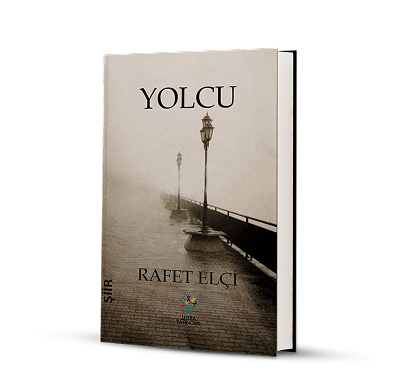
Yolcu
Poetry
Release Date: 2013
This poetic collection represents a significant milestone in Rafet Elçi’s literary maturity, transitioning from the raw pain of his earlier works to a deeper philosophy of existence. The verses do not merely describe physical travel; they chronicle the soul's internal pilgrimage in search of truth and a sense of "inner home" amidst the noise of modern life. It is a profound exploration of how the human spirit navigates the winding paths of destiny and the quiet whispers of the divine. Elçi masterfully blends high literary language with a rhythmic musicality that flows seamlessly, mimicking the steady footsteps of a traveler on life’s rugged terrain. Each text serves as a meditation on the small, often overlooked details of daily life, showing how these fragments are the very threads connecting us to the Creator and the universe. The reader is invited into a unique spiritual experience where every word acts as a guide toward greater self-awareness and enlightenment. The book reflects Elçi’s deep connection to both classical cultural heritage and contemporary philosophical inquiry, reimagining ancient symbols for the modern seeker. It is a poetic call to pause and reflect on the direction of our journeys, emphasizing that beauty lies not just in the destination, but in the conscious awareness of every step toward the absolute. This work solidifies his role as a bridge between traditional wisdom and the complexities of the human heart today.
devamını oku
Kemiğe Dayanmış Yaralar
Poetry
Release Date: 2003
This foundational work represents the raw and unfiltered beginnings of Rafet Elçi’s literary journey, penned during his transformative university years. The verses act as a psychological mirror, reflecting the intense emotional turbulence and the "inner compulsion" that drove the author to seek refuge in the written word. It is a profound exploration of how personal pain can be transmuted into a universal language of art and lyrical expression. The collection delves deep into themes of existential longing and the inherent suffering that accompanies the human condition, often described as wounds that "reach the bone." Elçi utilizes a sharp yet rhythmic style to navigate the complexities of the soul, weaving together philosophical inquiry with a deeply personal narrative. Each poem serves as a testament to the resilience of the spirit when faced with the silent, biting trials of life. Beyond its lyrical beauty, the book established Elçi’s reputation as a voice for the voiceless, capturing the quiet agonies that define our shared humanity. It highlights his early mastery of metaphor and his ability to find light within the darkest corners of the psyche. This work remains a crucial reference point for understanding the evolution of his later, more complex philosophical and historical novels.
devamını oku
Ahrar
Novel
Release Date: 2013
This acclaimed novel serves as the literary foundation for Rafet Elçi’s celebrated stage play, Timur ve Yıldırım. It explores the epic clash between two historical giants—Tamerlane (Timur) and Bayezid I (Yıldırım)—not merely as a military conflict, but as a profound meeting of two different worldviews. The narrative dives into the "freedom" of the soul versus the "chains" of earthly power, painting a vivid picture of an era that changed the course of world history. Elçi’s prose in Ahrar is both majestic and intimate, capturing the inner monologues of leaders who carried the weight of empires on their shoulders. The book investigates the concept of "free souls" (Ahrar), suggesting that true sovereignty belongs only to those who have conquered their own egos and desires. It is a masterful blend of historical accuracy and philosophical depth, making the reader a witness to the strategic brilliance and the spiritual vulnerabilities of its protagonists. Beyond the battlefield of Ankara, the novel delves into the mystical and intellectual currents of the 14th century, weaving in the influence of scholars and saints who navigated the chaos of the time. It challenges the reader to consider what it truly means to be "free" in a world governed by destiny and political necessity. Ahrar stands as a testament to Elçi’s ability to breathe life into history, turning a well-known legend into a timeless meditation on human dignity and the quest for spiritual liberation.
devamını oku
Enba
Novel
Release Date: 2013
In this profound philosophical and historical work, Rafet Elçi delves into the nature of "the message" and how truth is communicated across time, cultures, and dimensions. The title, Enba, refers to news that carries significant weight—often of a spiritual or revelatory nature—and the book explores how humanity receives, interprets, and sometimes obscures these essential truths. It is a deep meditation on the responsibility of the messenger and the transformative power of the word. The narrative functions as a bridge between the physical world and the realm of spiritual revelation, reflecting Elçi’s deep interest in the intersection of history and theology. Through meticulous prose, he examines the lives of those who brought "the news" to humanity, from ancient prophets to the unsung visionaries of later centuries. Each section of the book challenges the reader to listen more closely to the "silent tidings" that permeate existence, suggesting that truth is always present for those who know how to hear it. Elçi’s writing in Enba is at its most contemplative, weaving together historical anecdotes with metaphysical reflections on the passage of time. He argues that the most important "news" is not what we find in daily headlines, but the eternal truths that define our purpose and our relationship with the Creator. It is a work that invites the reader to step out of the frantic pace of modern communication and enter a space of profound silence, where the most significant messages are finally understood.
devamını oku
Şair
Novel
Release Date: 2013
Widely considered Rafet Elçi’s literary masterpiece, this "Oriental Tale" is set against the epic and sprawling backdrop of the ancient Sassanid and Roman empires. It is not merely a historical account but a deep philosophical exploration of the "swords of speech," where language becomes the primary weapon of power and truth. The narrative captures the weight of history through the eyes of those who dared to define it through verse and vision. The story centers on a legendary duel of poets, representing a clash of civilizations, ideologies, and theological truths that have shaped the human story for centuries. Elçi masterfully weaves complex historical detail with a lyrical prose that honors the oral traditions of the East, creating a bridge between the physical battlefield and the spiritual arena of the mind. Each chapter serves as a testament to the idea that while empires crumble and kings fall, the word remains the only eternal witness to the human experience. Beyond the historical conflict, "Şair" delves into the burden of the artistic soul—the struggle to remain true to one's inspiration while navigating the treacherous waters of political loyalty and religious conviction. It is a work that challenges the reader to consider the responsibility of the creator and the transformative power of beauty in times of chaos. Elçi’s prose is at its most sophisticated here, blending ancient wisdom with a timeless narrative that resonates with the modern seeker of truth.
devamını oku
Platon’un Aşkı
Novel
Release Date: 2013
This profound work explores the boundaries of ideal love and spiritual connection through a deeply philosophical lens, drawing inspiration from classical thought. Rafet Elçi reinterprets the concept of "Platonic love" not merely as an unrequited or non-physical affection, but as a transformative force that elevates the human soul toward the Divine. It is an invitation to look beyond the transient beauty of the material world to find the eternal "Form" of love that resides in the heart of existence. The narrative functions as both a philosophical treatise and a poetic journey, challenging the reader to reconsider the nature of their own relationships and desires. Elçi argues that true love is a ladder of ascent, where the attraction to physical beauty eventually gives way to an appreciation for the beauty of the soul, and finally, to the source of all beauty. It is a work that seeks to reconcile the human longing for intimacy with the spiritual yearning for the Absolute, showing how one can lead to the other. By weaving together ancient wisdom and contemporary emotional depth, the book provides a roadmap for navigating the complexities of modern love without losing one's spiritual center. Elçi’s prose is luminous and contemplative, offering comfort to those who seek a connection that transcends the physical and the temporary. It stands as a testament to the enduring power of the "ideal," suggesting that the highest form of human experience is found when we love with our souls rather than just our senses.
devamını oku
Ruhlar Pipo İçmez
Novel
Release Date: 2013
This uniquely titled work blends surrealist elements with deep existential inquiry, questioning the material needs and habits of the spiritual self. The narrative serves as a philosophical journey that explores the sharp boundaries between the physical world and the intangible essence of the soul, stripping away worldly pretenses. It challenges the reader to consider what remains of a human being when all physical desires, social masks, and earthly habits are removed. Rafet Elçi utilizes a style that is both provocative and deeply meditative, using the "pipe" as a metaphor for the trivial comforts and addictions of the material ego. The book invites the reader to look beyond the surface of daily life, suggesting that the soul operates on a plane far removed from the sensory pleasures we often mistake for happiness. It is a profound exploration of spiritual purity and the silent, invisible requirements of our inner being that often go neglected in a consumer-driven world. The text functions as a guide for the modern seeker, navigating the complexities of the "self" versus the "spirit" through a series of interconnected philosophical reflections. Elçi argues that while the body may be bound by habits and dependencies, the soul is a sovereign entity that thrives on truth and transcendence rather than physical consumption. By the end of the work, the reader is left with a heightened sense of the sacredness of the internal life and a clearer vision of the path toward spiritual liberation.
devamını oku
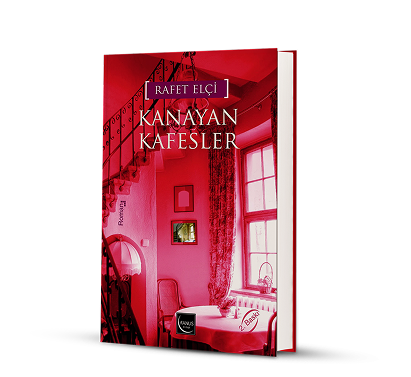
Kanayan Kafesler
Novel
Release Date: 2013
This poignant novel delves into the metaphorical "cages" of human existence, exploring the silent struggle between internal freedom and the external constraints imposed by society and fate. Rafet Elçi uses the imagery of the cage to represent the limitations of the physical world, while the "bleeding" signifies the emotional and spiritual cost of attempting to break free. It is a raw and honest look at the wounds we carry in our quest for authenticity and true liberation. The narrative follows the journey of the soul as it navigates the bars of tradition, expectation, and personal fear, seeking a window into the infinite. Elçi’s prose is characterized by its deep empathy and philosophical weight, making the reader feel every pulse of the heart trapped within these invisible boundaries. Each chapter serves as a meditation on resilience, suggesting that while the cage may cause pain, it is the struggle against it that defines our humanity and gives our lives profound meaning. Beyond the individual struggle, the book examines the collective cages that cultures and ideologies build around the human spirit, often suffocating the very truth they claim to protect. It reflects Elçi’s recurring inquiry into the resilience of the soul and the transformative power of suffering when directed toward higher understanding. By the end of the journey, the reader is left with a haunting yet hopeful realization: the bars only have as much power as we grant them in our minds.
devamını oku
Bütünbelirim
Philosophy
Release Date: 2013
In this ambitious philosophical work, Rafet Elçi introduces a comprehensive framework for understanding the interconnectedness of all things through the lens of "Holistic Determination." The book posits that nothing in the universe occurs in isolation; rather, every event, thought, and physical manifestation is part of a vast, unified web of causality. It is a deep dive into the metaphysical laws that govern both the macro-cosmos of the stars and the micro-cosmos of the human soul. The narrative challenges the traditional boundaries between science, philosophy, and spirituality, suggesting that true knowledge can only be found by looking at the "whole" (Bütün) rather than the fragmented parts. Elçi’s prose is intellectually rigorous, guiding the reader through complex concepts of destiny, free will, and the divine order that sustains existence. It serves as a call to recognize the rhythm of the universe and to align one's life with the harmonious laws that dictate the flow of creation. Beyond theoretical inquiry, Bütünbelirim functions as a guide for achieving mental and spiritual clarity in an increasingly fragmented world. Elçi argues that by understanding the "Determined Whole," an individual can find peace amidst chaos and purpose amidst uncertainty. The book reflects the author’s ultimate philosophical synthesis—a worldview where logic meets mysticism, and where the seeker finally understands that they are not a separate entity, but a vital part of an eternal, living unity.
devamını oku
Var Olan
Philosophy
Release Date: 2013
This profound philosophical study serves as a cornerstone of Rafet Elçi’s metaphysical inquiries, focusing on the absolute nature of existence. It moves away from the abstract and the theoretical to confront the reality of "The One Who Exists" as the source of all manifestation. The book explores the relationship between the Creator and the created, suggesting that every element in the universe is a sign pointing toward a singular, eternal truth. Elçi’s prose in Var Olan is both meditative and intellectually rigorous, guiding the reader through the layers of consciousness and the material world. He argues that human existence is not an accidental occurrence but a purposeful journey designed to recognize the Divine presence in every breath and every atom. It is a work that invites the reader to strip away the illusions of the "self" and the temporary world to find the unchanging reality that lies beneath. The book functions as a spiritual manual for the modern era, addressing the void left by secular materialism with the richness of traditional wisdom and logical deduction. Elçi uses a clear, authoritative voice to bridge the gap between faith and reason, making complex ontological concepts accessible to the seeker. By the end of the work, the reader is left with a sense of profound peace and a clearer understanding of their place within the vast, ordered structure of the "Existing One."
devamını oku
Türk Harp Kudretinin Sınırları
history
Release Date: 2013
This analytical and historical study serves as a profound examination of the strategic, logistical, and psychological boundaries of military power throughout the Turkish experience. Rafet Elçi moves beyond simple chronological battle descriptions to investigate the "will to power" and the inherent constraints that shape the rise and fall of empires. It is a work that seeks to define the unique character of Turkish statecraft and its military manifestations across centuries. The narrative functions as a bridge between historical reality and strategic theory, analyzing how geography, culture, and spirit intersect to form a nation's "war power." Elçi explores the concept that true strength is not merely found in the size of an army, but in the alignment of that army with the spiritual and social values of its people. Each chapter dissects key moments in history where these limits were tested, providing a roadmap for understanding the resilience and the vulnerabilities of the state. Through meticulous research and a philosophical lens, the book addresses the transition from traditional warfare to the complexities of modern conflict. Elçi argues that the ultimate "limit" of any war power is found in the moral conviction of its soldiers and the wisdom of its leaders. It is a critical resource for those seeking to understand the deep-rooted military tradition of the Turks and the enduring principles that have allowed their influence to persist through the changing tides of global history.
devamını oku
Bütünbelirim
Philosophy
Release Date: 2013
In this ambitious philosophical work, Rafet Elçi introduces a comprehensive framework for understanding the interconnectedness of all things through the lens of "Holistic Determination." The book posits that nothing in the universe occurs in isolation; rather, every event, thought, and physical manifestation is part of a vast, unified web of causality. It is a deep dive into the metaphysical laws that govern both the macro-cosmos of the stars and the micro-cosmos of the human soul. The narrative challenges the traditional boundaries between science, philosophy, and spirituality, suggesting that true knowledge can only be found by looking at the "whole" (Bütün) rather than the fragmented parts. Elçi’s prose is intellectually rigorous, guiding the reader through complex concepts of destiny, free will, and the divine order that sustains existence. It serves as a call to recognize the rhythm of the universe and to align one's life with the harmonious laws that dictate the flow of creation. Beyond theoretical inquiry, Bütünbelirim functions as a guide for achieving mental and spiritual clarity in an increasingly fragmented world. Elçi argues that by understanding the "Determined Whole," an individual can find peace amidst chaos and purpose amidst uncertainty. The book reflects the author’s ultimate philosophical synthesis—a worldview where logic meets mysticism, and where the seeker finally understands that they are not a separate entity, but a vital part of an eternal, living unity.
devamını oku
Var Olan
Philosophy
Release Date: 2013
This profound philosophical study serves as a cornerstone of Rafet Elçi’s metaphysical inquiries, focusing on the absolute nature of existence. It moves away from the abstract and the theoretical to confront the reality of "The One Who Exists" as the source of all manifestation. The book explores the relationship between the Creator and the created, suggesting that every element in the universe is a sign pointing toward a singular, eternal truth. Elçi’s prose in Var Olan is both meditative and intellectually rigorous, guiding the reader through the layers of consciousness and the material world. He argues that human existence is not an accidental occurrence but a purposeful journey designed to recognize the Divine presence in every breath and every atom. It is a work that invites the reader to strip away the illusions of the "self" and the temporary world to find the unchanging reality that lies beneath. The book functions as a spiritual manual for the modern era, addressing the void left by secular materialism with the richness of traditional wisdom and logical deduction. Elçi uses a clear, authoritative voice to bridge the gap between faith and reason, making complex ontological concepts accessible to the seeker. By the end of the work, the reader is left with a sense of profound peace and a clearer understanding of their place within the vast, ordered structure of the "Existing One."
devamını oku
Türk Harp Kudretinin Sınırları
history
Release Date: 2013
This analytical and historical study serves as a profound examination of the strategic, logistical, and psychological boundaries of military power throughout the Turkish experience. Rafet Elçi moves beyond simple chronological battle descriptions to investigate the "will to power" and the inherent constraints that shape the rise and fall of empires. It is a work that seeks to define the unique character of Turkish statecraft and its military manifestations across centuries. The narrative functions as a bridge between historical reality and strategic theory, analyzing how geography, culture, and spirit intersect to form a nation's "war power." Elçi explores the concept that true strength is not merely found in the size of an army, but in the alignment of that army with the spiritual and social values of its people. Each chapter dissects key moments in history where these limits were tested, providing a roadmap for understanding the resilience and the vulnerabilities of the state. Through meticulous research and a philosophical lens, the book addresses the transition from traditional warfare to the complexities of modern conflict. Elçi argues that the ultimate "limit" of any war power is found in the moral conviction of its soldiers and the wisdom of its leaders. It is a critical resource for those seeking to understand the deep-rooted military tradition of the Turks and the enduring principles that have allowed their influence to persist through the changing tides of global history.
devamını oku
Ahrar
Novel
Release Date: 2013
This acclaimed novel serves as the literary foundation for Rafet Elçi’s celebrated stage play, Timur ve Yıldırım. It explores the epic clash between two historical giants—Tamerlane (Timur) and Bayezid I (Yıldırım)—not merely as a military conflict, but as a profound meeting of two different worldviews. The narrative dives into the "freedom" of the soul versus the "chains" of earthly power, painting a vivid picture of an era that changed the course of world history. Elçi’s prose in Ahrar is both majestic and intimate, capturing the inner monologues of leaders who carried the weight of empires on their shoulders. The book investigates the concept of "free souls" (Ahrar), suggesting that true sovereignty belongs only to those who have conquered their own egos and desires. It is a masterful blend of historical accuracy and philosophical depth, making the reader a witness to the strategic brilliance and the spiritual vulnerabilities of its protagonists. Beyond the battlefield of Ankara, the novel delves into the mystical and intellectual currents of the 14th century, weaving in the influence of scholars and saints who navigated the chaos of the time. It challenges the reader to consider what it truly means to be "free" in a world governed by destiny and political necessity. Ahrar stands as a testament to Elçi’s ability to breathe life into history, turning a well-known legend into a timeless meditation on human dignity and the quest for spiritual liberation.
devamını oku
Enba
Novel
Release Date: 2013
In this profound philosophical and historical work, Rafet Elçi delves into the nature of "the message" and how truth is communicated across time, cultures, and dimensions. The title, Enba, refers to news that carries significant weight—often of a spiritual or revelatory nature—and the book explores how humanity receives, interprets, and sometimes obscures these essential truths. It is a deep meditation on the responsibility of the messenger and the transformative power of the word. The narrative functions as a bridge between the physical world and the realm of spiritual revelation, reflecting Elçi’s deep interest in the intersection of history and theology. Through meticulous prose, he examines the lives of those who brought "the news" to humanity, from ancient prophets to the unsung visionaries of later centuries. Each section of the book challenges the reader to listen more closely to the "silent tidings" that permeate existence, suggesting that truth is always present for those who know how to hear it. Elçi’s writing in Enba is at its most contemplative, weaving together historical anecdotes with metaphysical reflections on the passage of time. He argues that the most important "news" is not what we find in daily headlines, but the eternal truths that define our purpose and our relationship with the Creator. It is a work that invites the reader to step out of the frantic pace of modern communication and enter a space of profound silence, where the most significant messages are finally understood.
devamını oku
Şair
Novel
Release Date: 2013
Widely considered Rafet Elçi’s literary masterpiece, this "Oriental Tale" is set against the epic and sprawling backdrop of the ancient Sassanid and Roman empires. It is not merely a historical account but a deep philosophical exploration of the "swords of speech," where language becomes the primary weapon of power and truth. The narrative captures the weight of history through the eyes of those who dared to define it through verse and vision. The story centers on a legendary duel of poets, representing a clash of civilizations, ideologies, and theological truths that have shaped the human story for centuries. Elçi masterfully weaves complex historical detail with a lyrical prose that honors the oral traditions of the East, creating a bridge between the physical battlefield and the spiritual arena of the mind. Each chapter serves as a testament to the idea that while empires crumble and kings fall, the word remains the only eternal witness to the human experience. Beyond the historical conflict, "Şair" delves into the burden of the artistic soul—the struggle to remain true to one's inspiration while navigating the treacherous waters of political loyalty and religious conviction. It is a work that challenges the reader to consider the responsibility of the creator and the transformative power of beauty in times of chaos. Elçi’s prose is at its most sophisticated here, blending ancient wisdom with a timeless narrative that resonates with the modern seeker of truth.
devamını oku
Bütünbelirim
Philosophy
Release Date: 2013
In this ambitious philosophical work, Rafet Elçi introduces a comprehensive framework for understanding the interconnectedness of all things through the lens of "Holistic Determination." The book posits that nothing in the universe occurs in isolation; rather, every event, thought, and physical manifestation is part of a vast, unified web of causality. It is a deep dive into the metaphysical laws that govern both the macro-cosmos of the stars and the micro-cosmos of the human soul. The narrative challenges the traditional boundaries between science, philosophy, and spirituality, suggesting that true knowledge can only be found by looking at the "whole" (Bütün) rather than the fragmented parts. Elçi’s prose is intellectually rigorous, guiding the reader through complex concepts of destiny, free will, and the divine order that sustains existence. It serves as a call to recognize the rhythm of the universe and to align one's life with the harmonious laws that dictate the flow of creation. Beyond theoretical inquiry, Bütünbelirim functions as a guide for achieving mental and spiritual clarity in an increasingly fragmented world. Elçi argues that by understanding the "Determined Whole," an individual can find peace amidst chaos and purpose amidst uncertainty. The book reflects the author’s ultimate philosophical synthesis—a worldview where logic meets mysticism, and where the seeker finally understands that they are not a separate entity, but a vital part of an eternal, living unity.
devamını oku
Var Olan
Philosophy
Release Date: 2013
This profound philosophical study serves as a cornerstone of Rafet Elçi’s metaphysical inquiries, focusing on the absolute nature of existence. It moves away from the abstract and the theoretical to confront the reality of "The One Who Exists" as the source of all manifestation. The book explores the relationship between the Creator and the created, suggesting that every element in the universe is a sign pointing toward a singular, eternal truth. Elçi’s prose in Var Olan is both meditative and intellectually rigorous, guiding the reader through the layers of consciousness and the material world. He argues that human existence is not an accidental occurrence but a purposeful journey designed to recognize the Divine presence in every breath and every atom. It is a work that invites the reader to strip away the illusions of the "self" and the temporary world to find the unchanging reality that lies beneath. The book functions as a spiritual manual for the modern era, addressing the void left by secular materialism with the richness of traditional wisdom and logical deduction. Elçi uses a clear, authoritative voice to bridge the gap between faith and reason, making complex ontological concepts accessible to the seeker. By the end of the work, the reader is left with a sense of profound peace and a clearer understanding of their place within the vast, ordered structure of the "Existing One."
devamını oku
Türk Harp Kudretinin Sınırları
history
Release Date: 2013
This analytical and historical study serves as a profound examination of the strategic, logistical, and psychological boundaries of military power throughout the Turkish experience. Rafet Elçi moves beyond simple chronological battle descriptions to investigate the "will to power" and the inherent constraints that shape the rise and fall of empires. It is a work that seeks to define the unique character of Turkish statecraft and its military manifestations across centuries. The narrative functions as a bridge between historical reality and strategic theory, analyzing how geography, culture, and spirit intersect to form a nation's "war power." Elçi explores the concept that true strength is not merely found in the size of an army, but in the alignment of that army with the spiritual and social values of its people. Each chapter dissects key moments in history where these limits were tested, providing a roadmap for understanding the resilience and the vulnerabilities of the state. Through meticulous research and a philosophical lens, the book addresses the transition from traditional warfare to the complexities of modern conflict. Elçi argues that the ultimate "limit" of any war power is found in the moral conviction of its soldiers and the wisdom of its leaders. It is a critical resource for those seeking to understand the deep-rooted military tradition of the Turks and the enduring principles that have allowed their influence to persist through the changing tides of global history.
devamını oku
Ahrar
Novel
Release Date: 2013
This acclaimed novel serves as the literary foundation for Rafet Elçi’s celebrated stage play, Timur ve Yıldırım. It explores the epic clash between two historical giants—Tamerlane (Timur) and Bayezid I (Yıldırım)—not merely as a military conflict, but as a profound meeting of two different worldviews. The narrative dives into the "freedom" of the soul versus the "chains" of earthly power, painting a vivid picture of an era that changed the course of world history. Elçi’s prose in Ahrar is both majestic and intimate, capturing the inner monologues of leaders who carried the weight of empires on their shoulders. The book investigates the concept of "free souls" (Ahrar), suggesting that true sovereignty belongs only to those who have conquered their own egos and desires. It is a masterful blend of historical accuracy and philosophical depth, making the reader a witness to the strategic brilliance and the spiritual vulnerabilities of its protagonists. Beyond the battlefield of Ankara, the novel delves into the mystical and intellectual currents of the 14th century, weaving in the influence of scholars and saints who navigated the chaos of the time. It challenges the reader to consider what it truly means to be "free" in a world governed by destiny and political necessity. Ahrar stands as a testament to Elçi’s ability to breathe life into history, turning a well-known legend into a timeless meditation on human dignity and the quest for spiritual liberation.
devamını oku
Enba
Novel
Release Date: 2013
In this profound philosophical and historical work, Rafet Elçi delves into the nature of "the message" and how truth is communicated across time, cultures, and dimensions. The title, Enba, refers to news that carries significant weight—often of a spiritual or revelatory nature—and the book explores how humanity receives, interprets, and sometimes obscures these essential truths. It is a deep meditation on the responsibility of the messenger and the transformative power of the word. The narrative functions as a bridge between the physical world and the realm of spiritual revelation, reflecting Elçi’s deep interest in the intersection of history and theology. Through meticulous prose, he examines the lives of those who brought "the news" to humanity, from ancient prophets to the unsung visionaries of later centuries. Each section of the book challenges the reader to listen more closely to the "silent tidings" that permeate existence, suggesting that truth is always present for those who know how to hear it. Elçi’s writing in Enba is at its most contemplative, weaving together historical anecdotes with metaphysical reflections on the passage of time. He argues that the most important "news" is not what we find in daily headlines, but the eternal truths that define our purpose and our relationship with the Creator. It is a work that invites the reader to step out of the frantic pace of modern communication and enter a space of profound silence, where the most significant messages are finally understood.
devamını oku
Şair
Novel
Release Date: 2013
Widely considered Rafet Elçi’s literary masterpiece, this "Oriental Tale" is set against the epic and sprawling backdrop of the ancient Sassanid and Roman empires. It is not merely a historical account but a deep philosophical exploration of the "swords of speech," where language becomes the primary weapon of power and truth. The narrative captures the weight of history through the eyes of those who dared to define it through verse and vision. The story centers on a legendary duel of poets, representing a clash of civilizations, ideologies, and theological truths that have shaped the human story for centuries. Elçi masterfully weaves complex historical detail with a lyrical prose that honors the oral traditions of the East, creating a bridge between the physical battlefield and the spiritual arena of the mind. Each chapter serves as a testament to the idea that while empires crumble and kings fall, the word remains the only eternal witness to the human experience. Beyond the historical conflict, "Şair" delves into the burden of the artistic soul—the struggle to remain true to one's inspiration while navigating the treacherous waters of political loyalty and religious conviction. It is a work that challenges the reader to consider the responsibility of the creator and the transformative power of beauty in times of chaos. Elçi’s prose is at its most sophisticated here, blending ancient wisdom with a timeless narrative that resonates with the modern seeker of truth.
devamını oku
Bütünbelirim
Philosophy
Release Date: 2013
In this ambitious philosophical work, Rafet Elçi introduces a comprehensive framework for understanding the interconnectedness of all things through the lens of "Holistic Determination." The book posits that nothing in the universe occurs in isolation; rather, every event, thought, and physical manifestation is part of a vast, unified web of causality. It is a deep dive into the metaphysical laws that govern both the macro-cosmos of the stars and the micro-cosmos of the human soul. The narrative challenges the traditional boundaries between science, philosophy, and spirituality, suggesting that true knowledge can only be found by looking at the "whole" (Bütün) rather than the fragmented parts. Elçi’s prose is intellectually rigorous, guiding the reader through complex concepts of destiny, free will, and the divine order that sustains existence. It serves as a call to recognize the rhythm of the universe and to align one's life with the harmonious laws that dictate the flow of creation. Beyond theoretical inquiry, Bütünbelirim functions as a guide for achieving mental and spiritual clarity in an increasingly fragmented world. Elçi argues that by understanding the "Determined Whole," an individual can find peace amidst chaos and purpose amidst uncertainty. The book reflects the author’s ultimate philosophical synthesis—a worldview where logic meets mysticism, and where the seeker finally understands that they are not a separate entity, but a vital part of an eternal, living unity.
devamını oku
Var Olan
Philosophy
Release Date: 2013
This profound philosophical study serves as a cornerstone of Rafet Elçi’s metaphysical inquiries, focusing on the absolute nature of existence. It moves away from the abstract and the theoretical to confront the reality of "The One Who Exists" as the source of all manifestation. The book explores the relationship between the Creator and the created, suggesting that every element in the universe is a sign pointing toward a singular, eternal truth. Elçi’s prose in Var Olan is both meditative and intellectually rigorous, guiding the reader through the layers of consciousness and the material world. He argues that human existence is not an accidental occurrence but a purposeful journey designed to recognize the Divine presence in every breath and every atom. It is a work that invites the reader to strip away the illusions of the "self" and the temporary world to find the unchanging reality that lies beneath. The book functions as a spiritual manual for the modern era, addressing the void left by secular materialism with the richness of traditional wisdom and logical deduction. Elçi uses a clear, authoritative voice to bridge the gap between faith and reason, making complex ontological concepts accessible to the seeker. By the end of the work, the reader is left with a sense of profound peace and a clearer understanding of their place within the vast, ordered structure of the "Existing One."
devamını oku
Türk Harp Kudretinin Sınırları
history
Release Date: 2013
This analytical and historical study serves as a profound examination of the strategic, logistical, and psychological boundaries of military power throughout the Turkish experience. Rafet Elçi moves beyond simple chronological battle descriptions to investigate the "will to power" and the inherent constraints that shape the rise and fall of empires. It is a work that seeks to define the unique character of Turkish statecraft and its military manifestations across centuries. The narrative functions as a bridge between historical reality and strategic theory, analyzing how geography, culture, and spirit intersect to form a nation's "war power." Elçi explores the concept that true strength is not merely found in the size of an army, but in the alignment of that army with the spiritual and social values of its people. Each chapter dissects key moments in history where these limits were tested, providing a roadmap for understanding the resilience and the vulnerabilities of the state. Through meticulous research and a philosophical lens, the book addresses the transition from traditional warfare to the complexities of modern conflict. Elçi argues that the ultimate "limit" of any war power is found in the moral conviction of its soldiers and the wisdom of its leaders. It is a critical resource for those seeking to understand the deep-rooted military tradition of the Turks and the enduring principles that have allowed their influence to persist through the changing tides of global history.
devamını oku
Ahrar
Novel
Release Date: 2013
This acclaimed novel serves as the literary foundation for Rafet Elçi’s celebrated stage play, Timur ve Yıldırım. It explores the epic clash between two historical giants—Tamerlane (Timur) and Bayezid I (Yıldırım)—not merely as a military conflict, but as a profound meeting of two different worldviews. The narrative dives into the "freedom" of the soul versus the "chains" of earthly power, painting a vivid picture of an era that changed the course of world history. Elçi’s prose in Ahrar is both majestic and intimate, capturing the inner monologues of leaders who carried the weight of empires on their shoulders. The book investigates the concept of "free souls" (Ahrar), suggesting that true sovereignty belongs only to those who have conquered their own egos and desires. It is a masterful blend of historical accuracy and philosophical depth, making the reader a witness to the strategic brilliance and the spiritual vulnerabilities of its protagonists. Beyond the battlefield of Ankara, the novel delves into the mystical and intellectual currents of the 14th century, weaving in the influence of scholars and saints who navigated the chaos of the time. It challenges the reader to consider what it truly means to be "free" in a world governed by destiny and political necessity. Ahrar stands as a testament to Elçi’s ability to breathe life into history, turning a well-known legend into a timeless meditation on human dignity and the quest for spiritual liberation.
devamını oku
Enba
Novel
Release Date: 2013
In this profound philosophical and historical work, Rafet Elçi delves into the nature of "the message" and how truth is communicated across time, cultures, and dimensions. The title, Enba, refers to news that carries significant weight—often of a spiritual or revelatory nature—and the book explores how humanity receives, interprets, and sometimes obscures these essential truths. It is a deep meditation on the responsibility of the messenger and the transformative power of the word. The narrative functions as a bridge between the physical world and the realm of spiritual revelation, reflecting Elçi’s deep interest in the intersection of history and theology. Through meticulous prose, he examines the lives of those who brought "the news" to humanity, from ancient prophets to the unsung visionaries of later centuries. Each section of the book challenges the reader to listen more closely to the "silent tidings" that permeate existence, suggesting that truth is always present for those who know how to hear it. Elçi’s writing in Enba is at its most contemplative, weaving together historical anecdotes with metaphysical reflections on the passage of time. He argues that the most important "news" is not what we find in daily headlines, but the eternal truths that define our purpose and our relationship with the Creator. It is a work that invites the reader to step out of the frantic pace of modern communication and enter a space of profound silence, where the most significant messages are finally understood.
devamını oku
Şair
Novel
Release Date: 2013
Widely considered Rafet Elçi’s literary masterpiece, this "Oriental Tale" is set against the epic and sprawling backdrop of the ancient Sassanid and Roman empires. It is not merely a historical account but a deep philosophical exploration of the "swords of speech," where language becomes the primary weapon of power and truth. The narrative captures the weight of history through the eyes of those who dared to define it through verse and vision. The story centers on a legendary duel of poets, representing a clash of civilizations, ideologies, and theological truths that have shaped the human story for centuries. Elçi masterfully weaves complex historical detail with a lyrical prose that honors the oral traditions of the East, creating a bridge between the physical battlefield and the spiritual arena of the mind. Each chapter serves as a testament to the idea that while empires crumble and kings fall, the word remains the only eternal witness to the human experience. Beyond the historical conflict, "Şair" delves into the burden of the artistic soul—the struggle to remain true to one's inspiration while navigating the treacherous waters of political loyalty and religious conviction. It is a work that challenges the reader to consider the responsibility of the creator and the transformative power of beauty in times of chaos. Elçi’s prose is at its most sophisticated here, blending ancient wisdom with a timeless narrative that resonates with the modern seeker of truth.
devamını oku
Bütünbelirim
Philosophy
Release Date: 2013
In this ambitious philosophical work, Rafet Elçi introduces a comprehensive framework for understanding the interconnectedness of all things through the lens of "Holistic Determination." The book posits that nothing in the universe occurs in isolation; rather, every event, thought, and physical manifestation is part of a vast, unified web of causality. It is a deep dive into the metaphysical laws that govern both the macro-cosmos of the stars and the micro-cosmos of the human soul. The narrative challenges the traditional boundaries between science, philosophy, and spirituality, suggesting that true knowledge can only be found by looking at the "whole" (Bütün) rather than the fragmented parts. Elçi’s prose is intellectually rigorous, guiding the reader through complex concepts of destiny, free will, and the divine order that sustains existence. It serves as a call to recognize the rhythm of the universe and to align one's life with the harmonious laws that dictate the flow of creation. Beyond theoretical inquiry, Bütünbelirim functions as a guide for achieving mental and spiritual clarity in an increasingly fragmented world. Elçi argues that by understanding the "Determined Whole," an individual can find peace amidst chaos and purpose amidst uncertainty. The book reflects the author’s ultimate philosophical synthesis—a worldview where logic meets mysticism, and where the seeker finally understands that they are not a separate entity, but a vital part of an eternal, living unity.
devamını oku
Var Olan
Philosophy
Release Date: 2013
This profound philosophical study serves as a cornerstone of Rafet Elçi’s metaphysical inquiries, focusing on the absolute nature of existence. It moves away from the abstract and the theoretical to confront the reality of "The One Who Exists" as the source of all manifestation. The book explores the relationship between the Creator and the created, suggesting that every element in the universe is a sign pointing toward a singular, eternal truth. Elçi’s prose in Var Olan is both meditative and intellectually rigorous, guiding the reader through the layers of consciousness and the material world. He argues that human existence is not an accidental occurrence but a purposeful journey designed to recognize the Divine presence in every breath and every atom. It is a work that invites the reader to strip away the illusions of the "self" and the temporary world to find the unchanging reality that lies beneath. The book functions as a spiritual manual for the modern era, addressing the void left by secular materialism with the richness of traditional wisdom and logical deduction. Elçi uses a clear, authoritative voice to bridge the gap between faith and reason, making complex ontological concepts accessible to the seeker. By the end of the work, the reader is left with a sense of profound peace and a clearer understanding of their place within the vast, ordered structure of the "Existing One."
devamını oku
Türk Harp Kudretinin Sınırları
history
Release Date: 2013
This analytical and historical study serves as a profound examination of the strategic, logistical, and psychological boundaries of military power throughout the Turkish experience. Rafet Elçi moves beyond simple chronological battle descriptions to investigate the "will to power" and the inherent constraints that shape the rise and fall of empires. It is a work that seeks to define the unique character of Turkish statecraft and its military manifestations across centuries. The narrative functions as a bridge between historical reality and strategic theory, analyzing how geography, culture, and spirit intersect to form a nation's "war power." Elçi explores the concept that true strength is not merely found in the size of an army, but in the alignment of that army with the spiritual and social values of its people. Each chapter dissects key moments in history where these limits were tested, providing a roadmap for understanding the resilience and the vulnerabilities of the state. Through meticulous research and a philosophical lens, the book addresses the transition from traditional warfare to the complexities of modern conflict. Elçi argues that the ultimate "limit" of any war power is found in the moral conviction of its soldiers and the wisdom of its leaders. It is a critical resource for those seeking to understand the deep-rooted military tradition of the Turks and the enduring principles that have allowed their influence to persist through the changing tides of global history.
devamını oku
Ahrar
Novel
Release Date: 2013
This acclaimed novel serves as the literary foundation for Rafet Elçi’s celebrated stage play, Timur ve Yıldırım. It explores the epic clash between two historical giants—Tamerlane (Timur) and Bayezid I (Yıldırım)—not merely as a military conflict, but as a profound meeting of two different worldviews. The narrative dives into the "freedom" of the soul versus the "chains" of earthly power, painting a vivid picture of an era that changed the course of world history. Elçi’s prose in Ahrar is both majestic and intimate, capturing the inner monologues of leaders who carried the weight of empires on their shoulders. The book investigates the concept of "free souls" (Ahrar), suggesting that true sovereignty belongs only to those who have conquered their own egos and desires. It is a masterful blend of historical accuracy and philosophical depth, making the reader a witness to the strategic brilliance and the spiritual vulnerabilities of its protagonists. Beyond the battlefield of Ankara, the novel delves into the mystical and intellectual currents of the 14th century, weaving in the influence of scholars and saints who navigated the chaos of the time. It challenges the reader to consider what it truly means to be "free" in a world governed by destiny and political necessity. Ahrar stands as a testament to Elçi’s ability to breathe life into history, turning a well-known legend into a timeless meditation on human dignity and the quest for spiritual liberation.
devamını oku
Enba
Novel
Release Date: 2013
In this profound philosophical and historical work, Rafet Elçi delves into the nature of "the message" and how truth is communicated across time, cultures, and dimensions. The title, Enba, refers to news that carries significant weight—often of a spiritual or revelatory nature—and the book explores how humanity receives, interprets, and sometimes obscures these essential truths. It is a deep meditation on the responsibility of the messenger and the transformative power of the word. The narrative functions as a bridge between the physical world and the realm of spiritual revelation, reflecting Elçi’s deep interest in the intersection of history and theology. Through meticulous prose, he examines the lives of those who brought "the news" to humanity, from ancient prophets to the unsung visionaries of later centuries. Each section of the book challenges the reader to listen more closely to the "silent tidings" that permeate existence, suggesting that truth is always present for those who know how to hear it. Elçi’s writing in Enba is at its most contemplative, weaving together historical anecdotes with metaphysical reflections on the passage of time. He argues that the most important "news" is not what we find in daily headlines, but the eternal truths that define our purpose and our relationship with the Creator. It is a work that invites the reader to step out of the frantic pace of modern communication and enter a space of profound silence, where the most significant messages are finally understood.
devamını oku
Şair
Novel
Release Date: 2013
Widely considered Rafet Elçi’s literary masterpiece, this "Oriental Tale" is set against the epic and sprawling backdrop of the ancient Sassanid and Roman empires. It is not merely a historical account but a deep philosophical exploration of the "swords of speech," where language becomes the primary weapon of power and truth. The narrative captures the weight of history through the eyes of those who dared to define it through verse and vision. The story centers on a legendary duel of poets, representing a clash of civilizations, ideologies, and theological truths that have shaped the human story for centuries. Elçi masterfully weaves complex historical detail with a lyrical prose that honors the oral traditions of the East, creating a bridge between the physical battlefield and the spiritual arena of the mind. Each chapter serves as a testament to the idea that while empires crumble and kings fall, the word remains the only eternal witness to the human experience. Beyond the historical conflict, "Şair" delves into the burden of the artistic soul—the struggle to remain true to one's inspiration while navigating the treacherous waters of political loyalty and religious conviction. It is a work that challenges the reader to consider the responsibility of the creator and the transformative power of beauty in times of chaos. Elçi’s prose is at its most sophisticated here, blending ancient wisdom with a timeless narrative that resonates with the modern seeker of truth.
devamını oku
Bütünbelirim
In this ambitious philosophical work, Rafet Elçi introduces a comprehensive framework for understanding the interconnectedness of all things through the lens of "Holistic Determination." The book posits that nothing in the universe occurs in isolation; rather, every event, thought, and physical manifestation is part of a vast, unified web of causality. It is a deep dive into the metaphysical laws that govern both the macro-cosmos of the stars and the micro-cosmos of the human soul. The narrative challenges the traditional boundaries between science, philosophy, and spirituality, suggesting that true knowledge can only be found by looking at the "whole" (Bütün) rather than the fragmented parts. Elçi’s prose is intellectually rigorous, guiding the reader through complex concepts of destiny, free will, and the divine order that sustains existence. It serves as a call to recognize the rhythm of the universe and to align one's life with the harmonious laws that dictate the flow of creation. Beyond theoretical inquiry, Bütünbelirim functions as a guide for achieving mental and spiritual clarity in an increasingly fragmented world. Elçi argues that by understanding the "Determined Whole," an individual can find peace amidst chaos and purpose amidst uncertainty. The book reflects the author’s ultimate philosophical synthesis—a worldview where logic meets mysticism, and where the seeker finally understands that they are not a separate entity, but a vital part of an eternal, living unity.
Bütünbelirim
"The word is a mirror that does not reflect the face, but the soul that hides behind it."
— From the novel: Şair