
article
The Intellectual Odyssey of Rafet Elçi: From Bayburt to the Heart of Literature Early Life and Academic Foundations
By Rafet Elçi
The Intellectual Odyssey of Rafet Elçi: From Bayburt to the Heart of Literature Early Life and Academic Foundations

Born in 1980 in the city of Bayburt, Rafet Elçi moved to Istanbul during his early years, where he completed his primary and secondary education. His academic journey led him to the prestigious Istanbul University, where he graduated from the Faculty of Letters, specializing in Arabic Language and Literature in 2005. This linguistic foundation, combined with his immersion in world classics and Western philosophy during his youth, deeply influenced the rhythmic and profound nature of his later writings.
A Career Built on Thought and Culture
Before becoming a full-time author, Elçi spent many years in the publishing world, serving as an editor at Litera Publishing. During this time, he was instrumental in translating and bringing numerous significant works into the Turkish language. His passion for knowledge extended to the classroom and lecture hall; he currently conducts seminars on the History of World Thought, Literature, and Art at the Maarif Foundation and the Kalıcı Değerler Foundation. Since 2017, he has also been a prominent figure in Yalova, delivering conferences on philosophy and art across various institutions.
The Call of the Pen: From Poetry to the Stage
Rafet Elçi’s literary journey began during his university years, driven by what he describes as an “inner compulsion” to read and write. His debut in the literary world was marked by poetry, specifically with the publication of Kemiğe Dayanmış Yaralar in 2003. Over the decades, his portfolio has expanded to include seven novels, philosophical treatises, and historical studies. His reach has even extended to the performing arts; his play Timur ve Yıldırım, adapted from his novel Ahrar, is scheduled to be staged by the Erzurum State Theatre in February 2026.
A Renaissance Man: Languages and Music
Rafet Elçi is not only a man of words but also a man of melody. He is a multi-instrumentalist who plays both the piano and the ud, and he has composed several musical pieces. His linguistic prowess is equally impressive, as he is fluent in English, German, and Arabic, allowing him to bridge cultural gaps through his diverse works.
The Bibliography of Rafet Elçi
Below is the complete list of works authored by Rafet Elçi, categorized by genre:
Novels (Fiction)
- Kalbimdeki Monarşi (The Monarchy in My Heart)
- Kanayan Kafesler (Bleeding Cages)
- Ruhlar Pipo İçmez (Souls Don’t Smoke Pipes)
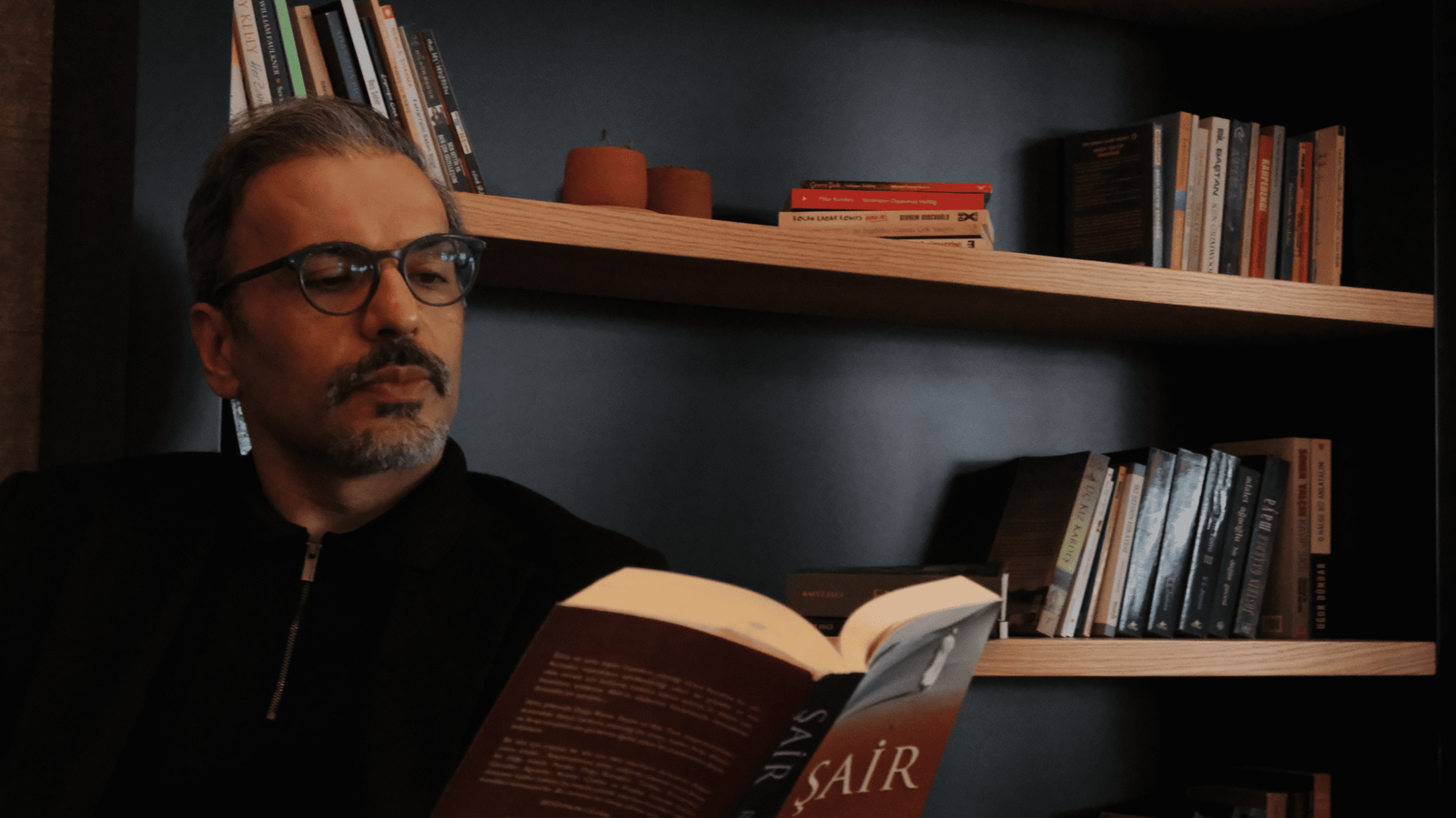
- Şair (The Poet)
- Ahrar (The Free Souls)
- Platon’un Aşkı (Plato’s Love)
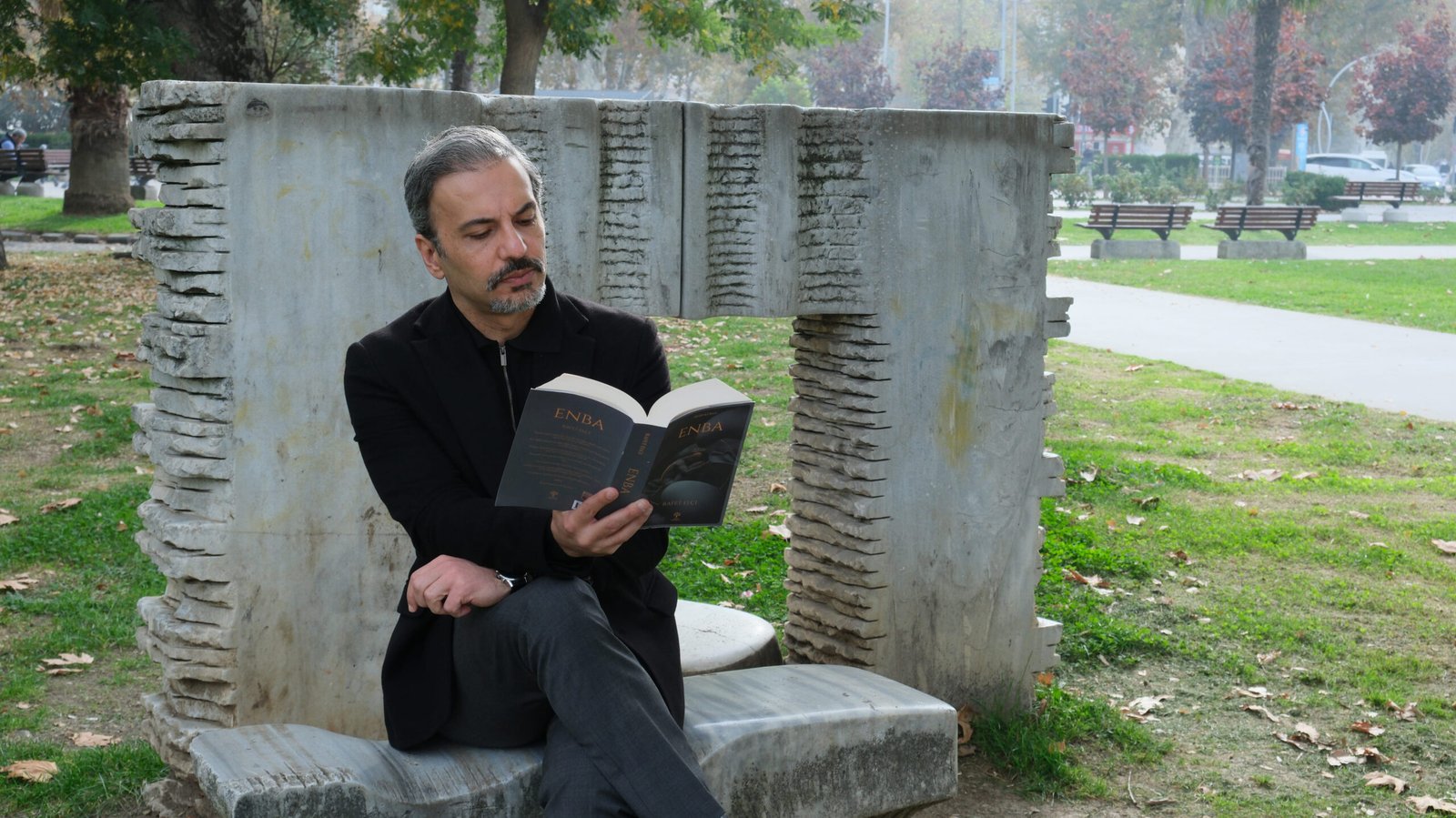
- Enba
Philosophy & Thought
- Var Olan (The Existing)
- Bütünbelirim (Total Determination)
Poetry Collections
- Kemiğe Dayanmış Yaralar (Wounds to the Bone)
- Yolcu (The Traveler)
Historical Studies
- Türk Harp Kudretinin Sınırları (The Limits of Turkish War Power)
A Legacy of Wisdom and Artistic Harmony
Ultimately, Rafet Elçi represents the modern “Renaissance Man,” seamlessly blending the analytical rigor of philosophy with the rhythmic beauty of poetry and music. His journey from the classroom of Istanbul University to the prestigious stages of the State Theatre reflects a life dedicated to the pursuit of truth across all mediums. Whether through his fluent command of multiple languages, his mastery of the piano and ud, or his profound literary works, Elçi continues to be a vital voice in the intellectual landscape of the 21st century.
By Rafet Elçi
Also read...
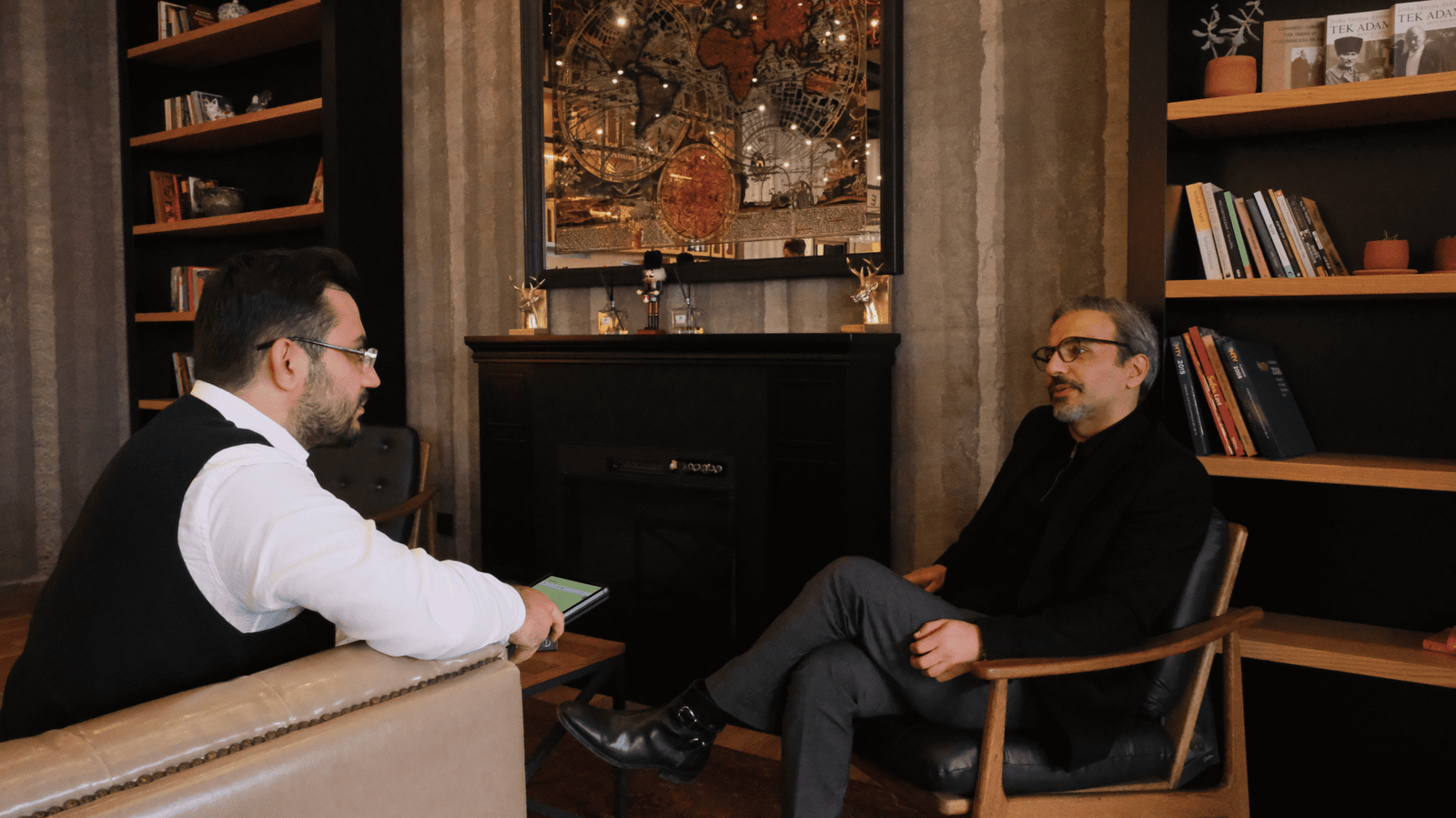
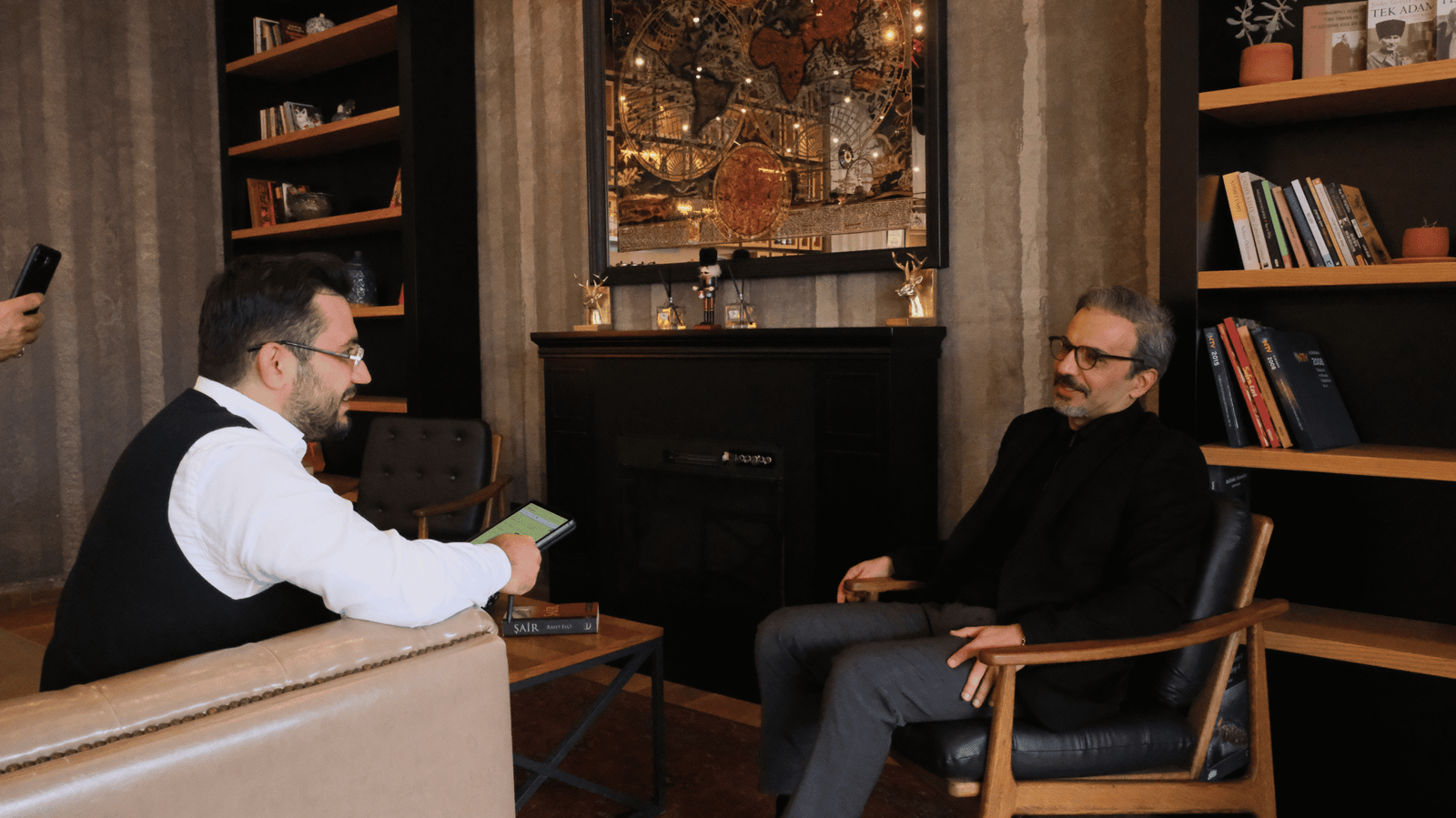
While his novels have captured the imagination of thousands, Rafet Elçi’s influence extends far beyond the realm of fiction. In recent years, the Turkish intellectual press has increasingly focused on Elçi as a philosopher and a public intellectual, particularly through his engaging lectures in cultural academies. His unique perspective, which blends traditional wisdom with modern existential inquiry, has made him a sought-after voice in contemporary spiritual and artistic discourse.
“Art for the Divine”: The Bursa Academy Discourse
One of the most discussed events in the cultural press was Elçi’s keynote address at the Bursa Literature and Writing Academy. his lecture titled “Art for the Divine” (Sanat Allah İçindir) challenged the modern, secular understanding of aesthetics. Elçi argued that true art is not merely an expression of the ego but a “sacred mirror” reflecting higher truths. This discourse resonated deeply with young writers and artists, sparking a nationwide conversation on the spiritual responsibility of the creator.
An Intellectual Anchor in Modern Turkey
The press often highlights Elçi’s role as a bridge between the deep mystical heritage of the East and the logical rigors of the West. Platforms track his journey from a young poet to a mature philosopher, noting that his works like Var Olan and Bütünbelirim serve as essential texts for those seeking an intellectual anchor in a fragmented world. His presence in the media is characterized not by celebrity, but by a “quiet authority” that commands respect in academic and literary circles alike.
The Enduring Legacy of the Word
The critical reception of his teachings emphasizes that Elçi is not just a writer of history, but a thinker who shapes the future of Turkish letters. As noted in the publishing archives of Ketebe Yayınları
, his continued presence in the intellectual sphere ensures that the “Word” remains at the center of cultural life. Whether through a sold-out lecture or a meticulously researched treatise, Rafet Elçi continues to remind his audience that the search for truth is the highest calling of the human spirit.
The literary world and the theatrical stage met in a spectacular collision when Rafet Elçi’s profound historical insights were adapted for the national theater. The transition of his work from the quiet pages of a novel to the thundering applause of a live audience has marked a new chapter in the author’s career, proving that his philosophical depth is as resonant on stage as it is in print.
The Clash of Two Worlds
Based on the foundational themes of his novel “Ahrar”, the stage play “Timur ve Yıldırım” (Timur and the Thunderbolt) has become a cultural phenomenon. Critics at Gazete Pusula
reported on the play’s massive success during its opening seasons at the Erzurum State Theatre. The play explores the epic 1402 Battle of Ankara, but rather than focusing solely on military tactics, it delves into the “battle of wills” between two of history’s most powerful rulers.
A Philosophical Masterpiece in Motion
The theatrical press, including specialized platforms like Tiyatronline, has praised the production for its “intellectual weight.” Elçi’s script challenges the audience to look beyond the crowns and the swords to see the human souls underneath—the “Free Souls” (Ahrar) who must navigate the treacherous waters of power and destiny. This production has been hailed for bringing a sophisticated, philosophical edge to historical drama, a feat rarely achieved in modern theater.
A Sold-Out Success
The impact of the play has been so significant that it has redefined the cultural calendar in several Turkish cities. As noted in local cultural reports, the success of the play has led to a renewed interest in Elçi’s bibliography. Audiences are not just watching the history; they are leaving the theater and heading to bookstores to find the source material, seeking to dive deeper into the mind of the man who breathed such life into these historical giants.
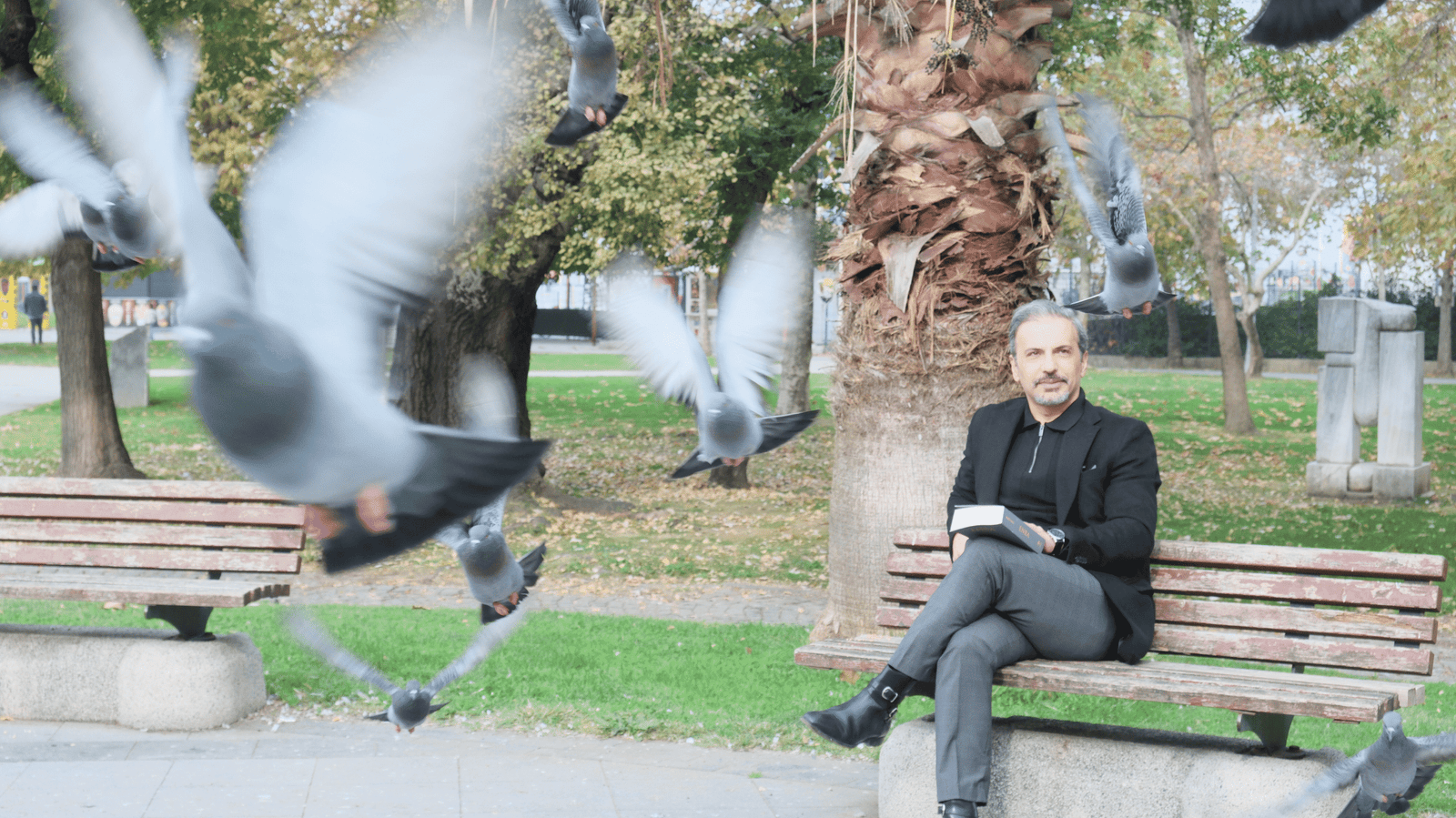
In the landscape of modern Turkish literature, few works have managed to bridge the gap between historical grandeur and deep philosophical inquiry as seamlessly as Rafet Elçi’s masterpiece, “Şair” (The Poet). This “Oriental Tale,” set against the backdrop of the Sassanid and Roman empires, has ignited a significant conversation in the Turkish press, with many leading cultural critics labeling it a definitive work of our era.
A Literary Duel Beyond Borders
The core of the critical acclaim lies in Elçi’s ability to treat language not just as a tool for storytelling, but as a primary protagonist. The novel depicts a legendary duel of poets, which critics at Samsun Son Haber
have described as the “Eastern response” to Amin Maalouf’s Samarkand. The press highlights that while Maalouf looks at the East from a Western perspective, Elçi speaks from the very heart of the tradition, reclaiming the narrative of the Silk Road and its intellectual heritage.
The Voice of the Intellectual Press
Prominent literary platforms like Semazen.net
have dedicated extensive analysis to the “luminous” quality of Elçi’s prose. They argue that the novel transcends mere historical fiction, functioning instead as a spiritual map. The Turkish press has noted that Elçi does not just describe history; he resurrects the “swords of speech,” showing how a single verse could once shake the foundations of a throne as effectively as an invading army.
Why It Resonates Today
According to reader metrics and reviews on 1000Kitap, the novel’s success is rooted in its relevance to the modern seeker. Critics emphasize that in an age of digital noise, Elçi’s focus on the sanctity and power of the “Word” provides a much-needed intellectual anchor. This critical reception has solidified “Şair” as a staple in contemporary Turkish libraries and a frequent subject of academic discussion in literature departments across the country.
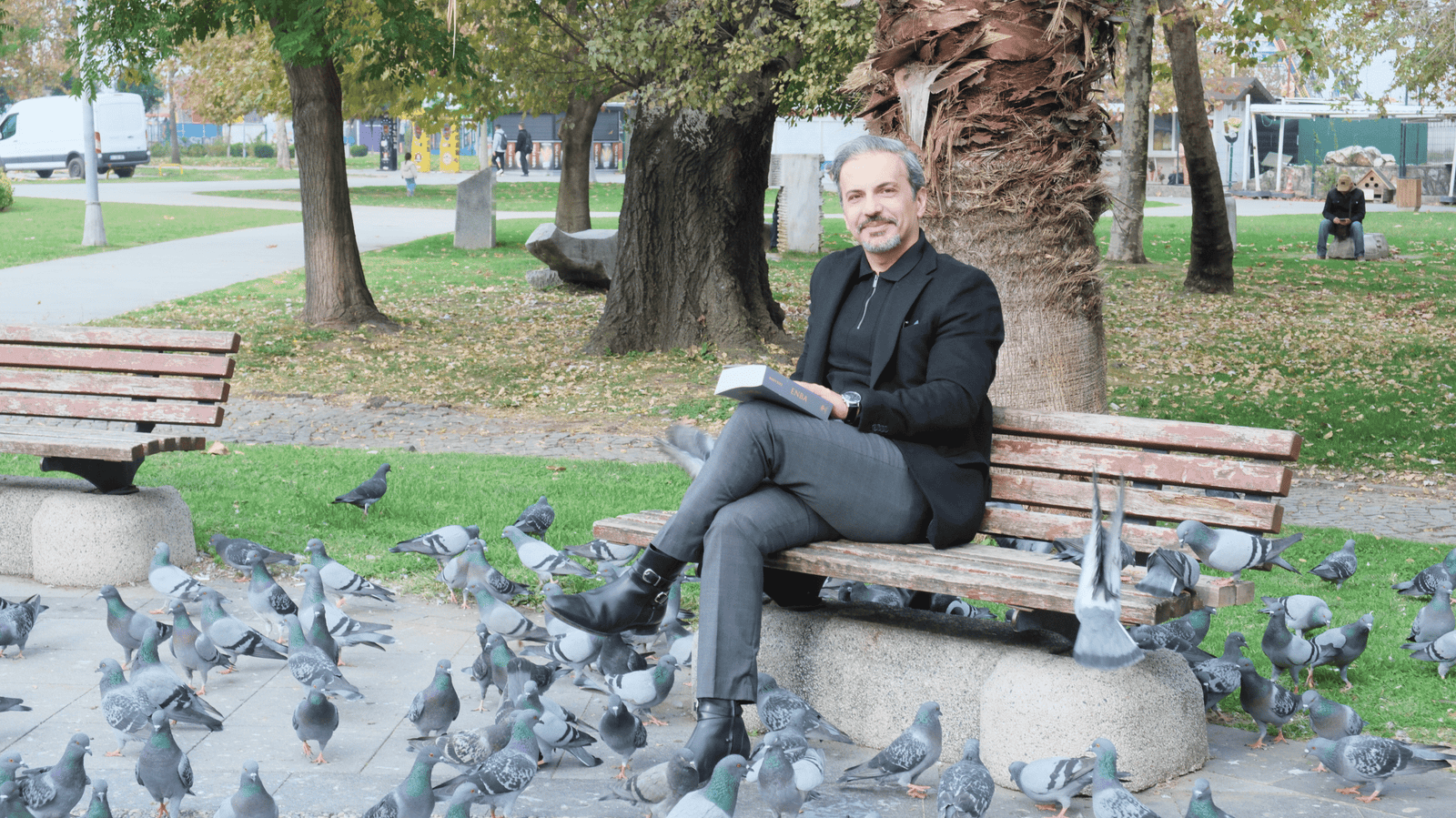
In an era where historical fiction often settles for mere costume drama, Rafet Elçi stands as a “Soul-Seeker” among historians. His approach to the past is not that of a cold archivist, but of a visionary poet who breathes life into the marble statues of antiquity. Through his novels, the monumental figures of the East and West—from the Sassanid poets to the Ottoman Sultans—are stripped of their legendary distance to reveal the beating hearts beneath.
The Human Heart Behind the Crown
One of the most discussed aspects of Elçi’s historical narratives, as highlighted in journals such as, Semazen.net is his focus on the vulnerability of power. In works like Ahrar and its theatrical counterpart Timur ve Yıldırım, the reader is invited into the private tents of conquerors. Critics at Tiyatronline have noted that Elçi’s strength lies in his “Empathic History”—the ability to show that even the giants who shaped empires were driven by the same spiritual yearnings and existential fears that haunt us today.
The Map of the Ancient Mind
Magazine reviews frequently celebrate Elçi’s meticulous world-building. He doesn’t just describe the Silk Road; he reconstructs the intellectual and spiritual climate of the time. As seen in the digital archives of
his novels are praised for their “Sensory Accuracy.” The reader can almost smell the ink in the Sassanid libraries and feel the tension of a battlefield in Ankara. This immersive quality has made his books a favorite among those who seek a “Time-Travel” experience that is as intellectually rewarding as it is emotionally gripping.
History as a Mirror
Ultimately, Elçi’s historical work serves as a mirror for the modern world. He uses the past to ask the most pressing questions of the present: What is the cost of freedom? What is the weight of a word? By resurrecting these “Forgotten Giants,” as documented in his bibliography at Ketebe Yayınları he ensures that the wisdom of the ancestors remains a living, breathing guide for the generations to come. He proves that while empires may fall, the human quest for dignity and truth is eternal.
In the modern literary landscape, there is often a sharp divide between “intellectual” writing and “spiritual” literature. However, Rafet Elçi has carved out a unique space where these two worlds coexist in perfect harmony. His work is frequently analyzed in philosophical journals as a rare example of “Logical Devotion”—a style that uses the rigorous tools of philosophy to explore the boundless realms of faith and the soul.
The Anatomy of Existence
Works such as Var Olan (The One Who Exists) and Bütünbelirim (Holistic Determination) are not merely books; they are intellectual expeditions. According to critical essays found on platforms like. Biyografya
Elçi’s primary contribution to modern thought is his ability to articulate complex ontological questions in a language that resonates with the contemporary seeker. He strips away the dry, academic layers of metaphysics to reveal a living, breathing truth that any reader can grasp.
A Dialogue Between East and West
What makes Elçi’s magazine features so compelling is his role as a “Civilizational Bridge.” He draws from the deep wells of Eastern Sufi tradition while employing the structural clarity of Western dialectics. This synthesis has made his bibliography, as seen on, Ketebe Yayınları, a point of reference for scholars interested in the intersection of tradition and modernity. He argues that logic and love are not enemies, but two wings of the same bird, both necessary for the soul’s ascent.
The Architecture of the “Whole”
In his more recent philosophical inquiries, Elçi introduces the concept of “Holistic Determination,” a theme that has sparked significant debate in intellectual circles. Magazine critics highlight his insistence that every “part” of our lives is inextricably linked to a “Divine Whole.” This vision of a unified universe offers a profound antidote to the fragmentation of the 21st century, establishing Rafet Elçi as a vital philosopher for an age in search of meaning.
In the quiet corridors of contemporary Turkish literature, a unique voice has been resonating with increasing clarity. Rafet Elçi does not merely write stories; he performs a kind of literary alchemy, transforming historical facts and philosophical inquiries into a vivid, breathing tapestry of human emotion. His style, often described by literary magazines as “Mystical Realism,” challenges the reader to look beyond the visible world.
Beyond the Historical Veil
Unlike traditional historical novelists who focus on dates and battles, Elçi’s work in magazines like
is noted for its focus on the “Internal History” of his characters. In masterpieces like Şair, the true conflict isn’t between empires, but within the soul of the poet. This psychological depth is what separates Elçi from his peers, making his narratives feel both ancient and startlingly modern.
The Architecture of Silence
A recurring theme in critical essays on Elçi’s bibliography is his “Architecture of Silence.” He masterfully uses what is not said to create a space for the reader’s own reflection. As discussed in various reader circles on 1000Kitap, his prose has a rhythmic quality that demands a slow, meditative pace—a rarity in today’s fast-reading culture. This “slow literature” movement has found its champion in Elçi, whose books serve as a sanctuary from the digital noise.
A Legacy in the Making
As his works continue to be analyzed in academic and cultural journals, it becomes clear that Rafet Elçi is building a legacy that transcends borders. His ability to articulate the “Universal Human Condition” through the specific lens of Eastern heritage makes his magazine features essential reading for anyone interested in the future of global literature. He remains a writer who doesn’t just fill pages, but opens windows into the infinite.