Menu
books
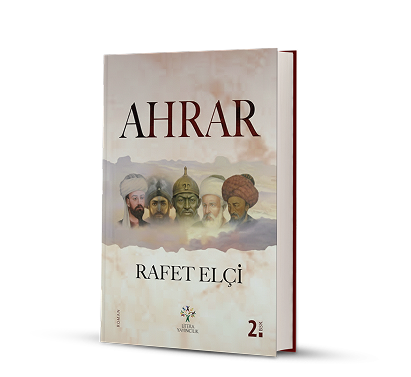
Ahrar
This acclaimed novel serves as the literary foundation for Rafet Elçi’s celebrated stage play, Timur ve Yıldırım. It explores the epic clash between two historical giants—Tamerlane (Timur) and Bayezid I (Yıldırım)—not merely as a military conflict, but as a profound meeting of two different worldviews. The narrative dives into the "freedom" of the soul versus the "chains" of earthly power, painting a vivid picture of an era that changed the course of world history. Elçi’s prose in Ahrar is both majestic and intimate, capturing the inner monologues of leaders who carried the weight of empires on their shoulders. The book investigates the concept of "free souls" (Ahrar), suggesting that true sovereignty belongs only to those who have conquered their own egos and desires. It is a masterful blend of historical accuracy and philosophical depth, making the reader a witness to the strategic brilliance and the spiritual vulnerabilities of its protagonists. Beyond the battlefield of Ankara, the novel delves into the mystical and intellectual currents of the 14th century, weaving in the influence of scholars and saints who navigated the chaos of the time. It challenges the reader to consider what it truly means to be "free" in a world governed by destiny and political necessity. Ahrar stands as a testament to Elçi’s ability to breathe life into history, turning a well-known legend into a timeless meditation on human dignity and the quest for spiritual liberation.
US Retailers
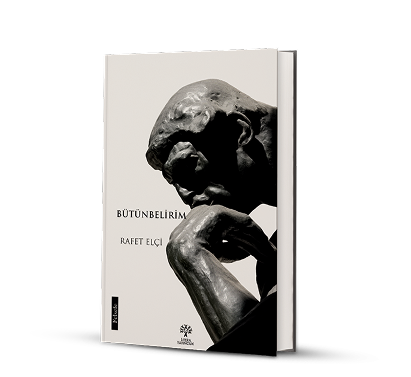
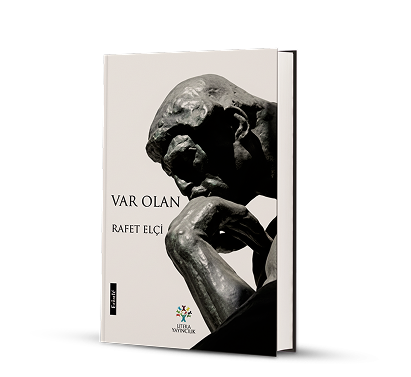
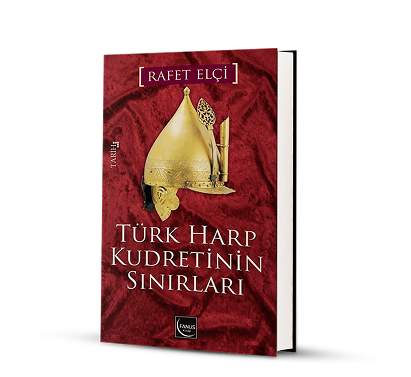
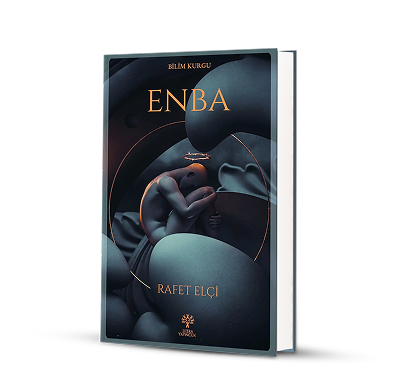
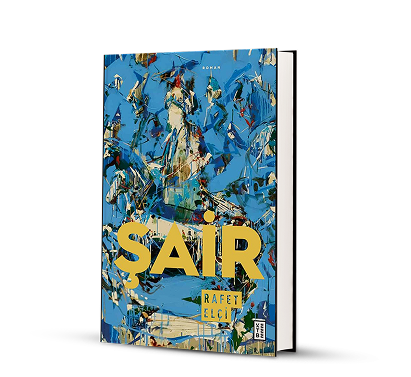
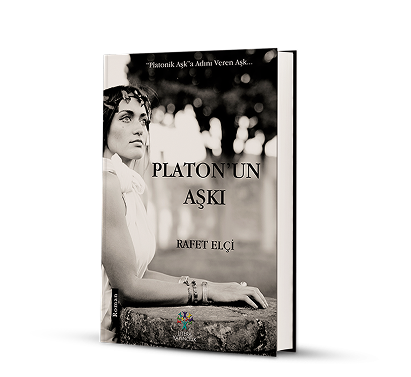
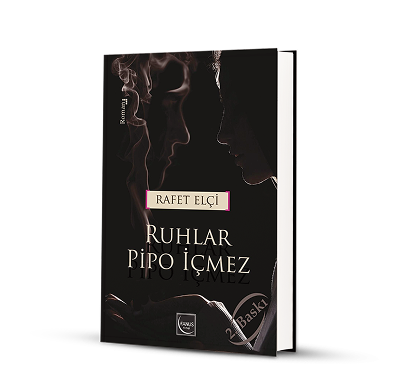
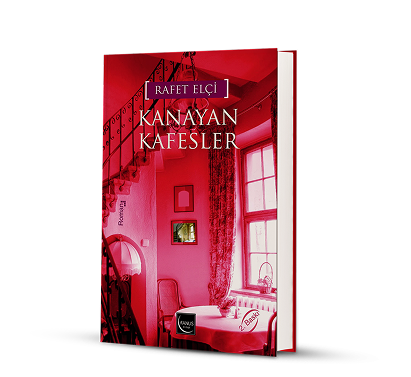
Rafet Elçi’s books are available through Amazon and leading bookstores, offering readers easy access to his literary works worldwide




"Every story holds a hidden truth, waiting for a heart that can read the hearts of others."
rafet elçİ

see also...